
Selling yourself short: How sexualized online dating profiles affect viewers’ perceptions and relationship intentions
Vol.20,No.2(2026)
Gurit Birnbaum
 Kobi Zholtack
Harry T. Reis
Kobi Zholtack
Harry T. Reis
People often use sexualized images in their online dating profiles to stand out. However, this strategy can backfire, hurting their chances of finding a partner. Three studies examined the effects of sexualized profiles on how viewers see profile owners while investigating why and when sexualization can have negative effects. Across all studies, unpartnered participants assessed sexualized and non-sexualized dating profiles, providing ratings on their perceptions of profile owners and their own relationship intentions. Study 1 revealed that owners of sexualized profiles faced heightened negative judgments and were perceived as less desirable partners (although these findings should be regarded as preliminary due to the use of different profile owners across conditions). Study 2 found diminished interest in establishing long-term relationships with sexualized profile owners due to perceiving them as less suitable partners. Study 3 showed that adding humanizing self-descriptions counteracted the negative effects of sexualization for female profiles but not for male profiles. These findings suggest that whether sexualization leads to negative judgments depends on its contextual meaning.
sexualization, sexual objectification, online dating, impression management, self-presentation
Gurit Birnbaum
Baruch Ivcher School of Psychology, Reichman University (IDC, Herzliya), Herzliya, Israel
Gurit E. Birnbaum, Ph.D. is a Professor of Psychology at the Baruch Ivcher School of Psychology, Reichman University (IDC Herzliya), Israel. Her longstanding program of research examines the functions of sex in relationship development, including its role in fostering connection and, at times, contributing to disruption.
Kobi Zholtack
Baruch Ivcher School of Psychology, Reichman University (IDC, Herzliya), Herzliya, Israel
Kobi Zholtack, MA is a graduate student and lab manager for Prof. Gurit Birnbaum at the Baruch Ivcher School of Psychology, Reichman University (IDC Herzliya), Israel. His research focuses on sexuality in close relationships.
Harry T. Reis
University of Rochester, Department of Psychology, New York, USA
Harry T. Reis, Ph.D. is Dean's Professor in Arts and Sciences and Professor of Psychology at the University of Rochester. His research focuses on intimacy, love, and most interpersonal processes in the context of close relationships.
Adamczyk, K., Janowicz, K., & Mrozowicz-Wrońska, M. (2024). Never-married single adults’ experiences with online dating websites and mobile applications: A qualitative content analysis. New Media & Society, 26(6), 3614 −3637. https://doi.org/10.1177/14614448221097894
American Psychological Association. (2007). Report of the APA task force on the sexualization of girls. American Psychological Association. http://www.apa.org/pi/women/programs/girls/report.aspx
Anderson, M., Vogels, E. A., & Turner, E. (2020, February 6). The virtues and downsides of online dating. Pew Research Center. https://www.pewresearch.org/internet/2020/02/06/the-virtues-and-downsides-of-online-dating/
Barrada, J. R., & Castro, Á. (2020). Tinder users: Sociodemographic, psychological, and psychosexual characteristics. International Journal of Environmental Research and Public Health, 17(21), Article 8047. https://doi.org/10.3390/ijerph17218047
Baumgardner, J., & Richards, A. (2004). Feminism and femininity: Or how we learned to stop worrying and love the thong. In A. Harris (Ed.), All about the girl: Culture, power, and identity (pp. 59−67). Routledge.
Bay-Cheng, L. Y. (2015). The agency line: A neoliberal metric for appraising young women’s sexuality. Sex Roles, 73(7), 279−291. https://doi.org/10.1007/s11199-015-0452-6
Behm-Morawitz, E., & Schipper, S. (2016). Sexing the avatar: Gender, sexualization, and cyber-harassment in a virtual world. Journal of Media Psychology: Theories, Methods, and Applications, 28(4), 161−174. https://doi.org/10.1027/1864-1105/a000152
Bernard, P., Cogoni, C., & Carnaghi, A. (2020). The sexualization-objectification link: Sexualization affects the way people see and feel toward others. Current Directions in Psychological Science, 29(2), 134–139. https://doi.org/10.1177/0963721419898187
Birnbaum, G. E. (2007). Beyond the borders of reality: Attachment orientations and sexual fantasies. Personal Relationships, 14(2), 321–342. https://doi.org/10.1111/j.1475-6811.2007.00157.x
Birnbaum, G. E. (2018). The fragile spell of desire: A functional perspective on changes in sexual desire across relationship development. Personality and Social Psychology Review, 22(2), 101−127. https://doi.org/10.1177/1088868317715350
Birnbaum, G. E., & Muise, A. (2025). The interplay between sexual desire and relationship functioning. Nature Reviews Psychology, 4(3), 193–206. https://doi.org/10.1038/s44159-025-00406-4
Birnbaum, G. E., & Reis, H. T. (2012). When does responsiveness pique sexual interest? Attachment and sexual desire in initial acquaintanceships. Personality and Social Psychology Bulletin, 38(7), 946–958. https://doi.org/10.1177/0146167212441028
Birnbaum, G. E., Ein-Dor, T., Reis, H. T., & Segal, N. (2014). Why do men prefer nice women over bad ones? Gender typicality mediates the effect of responsiveness on perceived attractiveness in initial acquaintanceships. Personality and Social Psychology Bulletin, 40(10), 1341−1353. https://doi.org/10.1177/0146167214543879
Birnbaum, G. E., Iluz, M., & Reis, H. T. (2020). Making the right first impression: Sexual priming encourages attitude change and self-presentation lies during encounters with potential partners. Journal of Experimental Social Psychology, 86, Article 103904. https://doi.org/10.1016/j.jesp.2019.103904
Birnbaum, G. E., Iluz, M., Plotkin, E., Tibi, L., Hematian, R., Mizrahi, M., & Reis, H. T. (2020). Seeing what you want to see: Sexual activation makes potential partners seem more appealing and romantically interested. Journal of Social and Personal Relationships, 37(12), 3051–3069. https://doi.org/10.1177/0265407520952162
Birnbaum, G. E., Kanat-Maymon, Y., Mizrahi, M., Barniv, A., Shir, N., Govinden, J., & Reis, H. T. (2018). Are you into me? Uncertainty and sexual desire in online encounters and established relationships. Computers in Human Behavior, 85, 372–384. https://doi.org/10.1016/j.chb.2018.04.023
Birnbaum, G. E., Kanat-Maymon, Y., Mizrahi, M., Recanati, M., & Orr, R. (2019). What fantasies can do to your relationship: The effects of sexual fantasies on couple interactions. Personality and Social Psychology Bulletin, 45(3), 461–476. https://doi.org/10.1177/0146167218789611
Birnbaum, G. E., Reis, H. T., Mizrahi, M., Kanat-Maymon, Y., Sass, O., & Granovski-Milner, C. (2016). Intimately connected: The importance of partner responsiveness for experiencing sexual desire. Journal of Personality and Social Psychology, 111(4), 530–546. https://doi.org/10.1037/pspi0000069
Birnbaum, G. E., Svitelman, N., Bar-Shalom, A., & Porat, O. (2008). The thin line between reality and imagination: Attachment orientations and the effects of relationship threats on sexual fantasies. Personality and Social Psychology Bulletin, 34(9), 1185–1199. https://doi.org/10.1177/0146167208319692
Birnbaum, G. E., Zholtack, K., Mizrahi, M., & Ein-Dor, T. (2019). The bitter pill: Cessation of oral contraceptives enhances the appeal of alternative mates. Evolutionary Psychological Science, 5(3), 276–285. https://doi.org/10.1007/s40806-018-00186-6
Bleske-Rechek, A., & Buss, D. M. (2006). Sexual strategies pursued and mate attraction tactics deployed. Personality and Individual Differences, 40(6), 1299–1311. https://doi.org/10.1016/j.paid.2005.11.014
Breines, J. G., Crocker, J., & Garcia, J. A. (2008). Self-objectification and well-being in women’s daily lives. Personality and Social Psychology Bulletin, 34(5), 583–598. https://doi.org/10.1177/0146167207313727
Burgoon, J. K. (1993). Interpersonal expectations, expectancy violations, and emotional communication. Journal of Language and Social Psychology, 12(1–2), 30–48. https://doi.org/10.1177/0261927X93121003
Buss, D. M. (1988). The evolution of human intrasexual competition: Tactics of mate attraction. Journal of Personality and Social Psychology, 54(4), 616–628. https://doi.org/10.1037/0022-3514.54.4.616
Buss, D. M., & Kenrick, D. T. (1998). Evolutionary social psychology. In D. T. Gilbert, S. T. Fiske, & G. Lindzey (Eds.), The handbook of social psychology (4th ed., pp. 982–1026). McGraw-Hill.
Daniels, E. A. (2016). Sexiness on social media: The social costs of using a sexy profile photo. Sexualization, Media, & Society, 2(4), 1–10. https://doi.org/10.1177/2374623816683522
Daniels, E. A. (2020). Does objectification on social media cost young men? Emerging Adulthood, 8(3), 226–236. https://doi.org/10.1177/2167696818804051
Daniels, E. A., & Linder, J. R. (2021). Sex object vs. athlete: Boys’ and men’s responses toward sexualized male athletes. Sex Roles, 85(9–10), 528–541. https://doi.org/10.1007/s11199-021-01228-3
Daniels, E. A., & Zurbriggen, E. L. (2016). The price of sexy: Viewers’ perceptions of a sexualized versus nonsexualized Facebook profile photograph. Psychology of Popular Media Culture, 5(1), 2–14. https://doi.org/10.1037/ppm0000048
Daniels, E. A., Jerald, M. C., & Dieker, J. (2022). Putting a sexy self forward on Tinder: What do viewers think about sexualized white men? Sex Roles, 86(7–8), 428–440. https://doi.org/10.1007/s11199-022-01278-1
Degen, J. L., & Kleeberg-Niepage, A. (2025). Coping with mobile-online-dating fatigue and the negative self-fulfilling prophecy of digital dating. SN Social Sciences, 5(2), Article 12. https://doi.org/10.1007/s43545-024-01042-0
Faul, F., Erdfelder, E., Buchner, A., & Lang, A. G. (2009). Statistical power analyses using G*Power 3.1: Tests for correlation and regression analyses. Behavior Research Methods, 41(4), 1149–1160. https://doi.org/10.3758/BRM.41.4.1149
Finkel, E. J., Eastwick, P. W., Karney, B. R., Reis, H. T., & Sprecher, S. (2012). Online dating: A critical analysis from the perspective of psychological science. Psychological Science in the Public Interest, 13(1), 3–66. https://doi.org/10.1177/1529100612436522
Fisher, M., & Cox, A. (2011). Four strategies used during intrasexual competition for mates. Personal Relationships, 18(1), 20–38. https://doi.org/10.1111/j.1475-6811.2010.01307.x
Fredrickson, B. L., & Roberts, T.-A. (1997). Objectification theory: Toward understanding women’s lived experiences and mental health risks. Psychology of Women Quarterly, 21(2), 173–206. https://doi.org/10.1111/j.1471-6402.1997.tb00108.x
Freire, D., Rema, J., & Novais, F. (2023). Dating apps and mental health status: Is there a link? Journal of Psychosexual Health, 5(3), 167–173. https://doi.org/10.1177/26318318231213501
Fritz, M. S., & MacKinnon, D. P. (2007). Required sample size to detect the mediated effect. Psychological Science, 18(3), 233–239. https://doi.org/10.1111/j.1467-9280.2007.01882.x
Galdi, S., Maass, A., & Cadinu, M. (2014). Objectifying media: Their effect on gender role norms and sexual harassment of women. Psychology of Women Quarterly, 38(3), 398–413. https://doi.org/10.1177/0361684313515185
Goffman, E. (1959). The presentation of self in everyday life. Doubleday.
Haselton, M. G., & Nettle, D. (2006). The paranoid optimist: An integrative evolutionary model of cognitive biases. Personality and Social Psychology Review, 10(1), 47–66. https://doi.org/10.1207/s15327957pspr1001_3
Haselton, M. G., Buss, D. M., Oubaid, V., & Angleitner, A. (2005). Sex, lies, and strategic interference: The psychology of deception between the sexes. Personality and Social Psychology Bulletin, 31(1), 3–23. https://doi.org/10.1177/0146167204271303
Hatton, E., & Trautner, M. N. (2011). Equal opportunity objectification? The sexualization of men and women on the cover of Rolling Stone. Sexuality & Culture, 15, 256–278. https://doi.org/10.1007/s12119-011-9093-2
Hayes, A. F. (2013). Introduction to mediation, moderation, and conditional process analysis: A regression-based approach. The Guilford Press.
Heflick, N. A., & Goldenberg, J. L. (2009). Objectifying Sarah Palin: Evidence that objectification causes women to be perceived as less competent and less fully human. Journal of Experimental Social Psychology, 45(3), 598−601. https://doi.org/10.1016/j.jesp.2009.02.008
Heflick, N., Goldenberg, J., Cooper, D., & Puvia, E. (2011). From women to objects: Appearance focus, target gender, and perceptions of warmth, morality, and competence. Journal of Experimental Social Psychology, 47(3), 572–581. https://doi.org/10.1016/j.jesp.2010.12.020
Inglis, T., & MacKeogh, C. (2012). The double bind: Women, honour and sexuality in contemporary Ireland. Media, Culture & Society, 34(1), 68–82. https://doi.org/10.1177/0163443711427200
Jackson, S., & Scott, S. (2004). Sexual antinomies in late modernity. Sexualities, 7(2), 233–248. https://doi.org/10.1177/1363460704042166
Jänkälä, A., Lehmuskallio, A., & Takala, T. (2019). Photo use while dating: From forecasted photos in Tinder to creating copresence using other media. Human Technology, 15(2), 202–225. https://doi.org/10.17011/ht/urn.201906123156
Johnson, V., & Gurung, R. (2011). Defusing the objectification of women by other women: The role of competence. Sex Roles, 65(3–4), 177–188. https://doi.org/10.1007/s11199-011-0006-5
Jonason, P. K., Garcia, J. R., Webster, G. D., Li, N. P., & Fisher, H. E. (2015). Relationship dealbreakers: Traits people avoid in potential mates. Personality and Social Psychology Bulletin, 41(12), 1697–1711. https://doi.org/10.1177/0146167215609064
Kenny, D. (2013). PowMedR. R program to compute power of joint test for continuous exposure, mediator, and outcome. http://davidakenny.net/progs/PowMedR.txt
Li, N. P., Bailey, J. M., Kenrick, D. T., & Linsenmeier, J. A. (2002). The necessities and luxuries of mate preferences: Testing the tradeoffs. Journal of Personality and Social Psychology, 82(6), 947–955. https://doi.org/10.1037/0022-3514.82.6.947
Lindner, D., & Tantleff-Dunn, S. (2017). The development and psychometric evaluation of the Self-Objectification Beliefs and Behaviors Scale. Psychology of Women Quarterly, 41(2), 254–272. https://doi.org/10.1177/0361684317692109
Liss, M., Erchull, M. J., & Ramsey, L. R. (2011). Empowering or oppressing? Development and exploration of the Enjoyment of Sexualization Scale. Personality and Social Psychology Bulletin, 37(1), 55–68. https://doi.org/10.1177/0146167210386119
Loughnan, S., & Pacilli, M. G. (2014). Seeing (and treating) others as sexual objects: Toward a more complete mapping of sexual objectification. TPM-Testing, Psychometrics, Methodology in Applied Psychology, 21(3), 309–325.
Manago, A. M., Graham, M. N., Greenfield, P. M., & Salimkhan, G. (2008). Self-presentation and gender on MySpace. Journal of Applied Developmental Psychology, 29(6), 446–458. https://doi.org/10.1016/j.appdev.2008.07.001
Miller, B. (2015). “Dude, where’s your face?” Self-presentation, self-description, and partner preferences on a social networking application for men who have sex with men: A content analysis. Sexuality & Culture, 19(4), 637–658. https://doi.org/10.1007/s12119-015-9283-4
Moradi, B., & Huang, Y.-P. (2008). Objectification theory and psychology of women: A decade of advances and future directions. Psychology of Women Quarterly, 32(4), 377–398. https://doi.org/10.1111/j.1471-6402.2008.00452.x
Morris, K. L., Goldenberg, J., & Boyd, P. (2018). Women as animals, women as objects: Evidence for two forms of objectification. Personality and Social Psychology Bulletin, 44(9), 1302–1314. https://doi.org/10.1177/0146167218765739
Nezlek, J. B., Krohn, W., Wilson, D., & Maruskin, L. (2015). Gender differences in reactions to the sexualization of athletes. Journal of Social Psychology, 155(1), 1–11. https://doi.org/10.1080/00224545.2014.959883
Ramsey, L. R., Marotta, J. A., & Hoyt, T. (2017). Sexualized, objectified, but not satisfied: Enjoying sexualization relates to lower relationship satisfaction through perceived partner-objectification. Journal of Social and Personal Relationships, 34(2), 258–278. https://doi.org/10.1177/0265407516631157
Randazzo, R., Farmer, K., & Lamb, S. (2015). Queer women's perspectives on sexualization of women in media. Journal of Bisexuality, 15(1), 99–129. https://doi.org/10.1080/15299716.2014.986315
Rosenfeld, P., Edwards, J. E., & Thomas, M. D. (2005). Impression management. In N. Nicholson, P. G. Audia, & M. Pillutla (Eds.), Blackwell encyclopedia of management (2nd ed., pp. 163–165). Blackwell.
Sarabia, I., & Estévez, A. (2016). Sexualized behaviors on Facebook. Computers in Human Behavior, 61, 219–226. https://doi.org/10.1016/j.chb.2016.03.037
Stecher, K. S. K., & Counts, S. (2021). Thin slices of online profile attributes. Proceedings of the International AAAI Conference on Web and Social Media, 2(1), 127–135. https://doi.org/10.1609/icwsm.v2i1.18626
Sunam, A. A., Bas, O., İnceoğlu, İ., Kaya, Y. B., Cöbek, G., & Alkurt, S. V. (2024). Nationwide research on the uses and motivations of dating apps by young adults in the cultural environment of Turkey. Mobile Media & Communication, 12(3), 662–687. https://doi.org/10.1177/20501579231215709
Terán, L., Jiao, J., & Aubrey, J. S. (2021). The relational burden of objectification: Exploring how past experiences of interpersonal sexual objectification are related to relationship competencies. Sex Roles, 84(9–10), 610–625. https://doi.org/10.1007/s11199-020-01188-0
Tong, S. T., Hancock, J. T., & Slatcher, R. B. (2016). Online dating system design and relational decision making: Choice, algorithms, and control. Personal Relationships, 23(4), 645–662. https://doi.org/10.1111/pere.12158
Trivers, R. L. (1972). Parental investment and sexual selection. In B. Campbell (Ed.), Sexual selection and the descent of man (pp. 136–179). Aldine. https://doi.org/10.4324/9781315129266-7
Van der Zanden, T., & Schouten, A. P. (2024). Creativity, expectancy violations, and impression formation: Effects of novelty and appropriateness in online dating profile texts. Media Psychology, 27(6), 842–868. https://doi.org/10.1080/15213269.2023.2295526
Van der Zanden, T., Mos, M. B., Schouten, A. P., & Krahmer, E. J. (2022). What people look at in multimodal online dating profiles: How pictorial and textual cues affect impression formation. Communication Research, 49(6), 863–890. https://doi.org/10.1177/0093650221995316
Vanwesenbeek, I. (2009). The risks and rights of sexualization: An appreciative commentary on Lerum and Dworkin’s “Bad Girls Rule”. Journal of Sex Research, 46(4), 268–270. https://doi.org/10.1080/00224490903082694
Walter, K. V., Conroy-Beam, D., Buss, D. M., Asao, K., Sorokowska, A., Sorokowski, P., Aavik, T., Akello, G., Alhabahba, M. M., Alm, C., Amjad, N., Anjum, A., Atama, C. S., Duyar, D. A., Ayebare, R., Batres, C., Bendixen, M., Bensafia, A., Bizumic, B., . . . Zupančič, M. (2020). Sex differences in mate preferences across 45 countries: A large-scale replication. Psychological Science, 31(4), 408–423. https://doi.org/10.1177/0956797620904154
Ward, L. M. (2016). Media and sexualization: State of empirical research 1995-2015. The Journal of Sex Research, 53(4–5), 560–577. https://doi.org/10.1080/00224499.2016.1142496
Wookey, M., Graves, N., & Butler, J. C. (2009). Effects of a sexy appearance on perceived competence of women. Journal of Social Psychology, 149(1), 116–118. https://doi.org/10.3200/SOCP.149.1.116-118
Wotipka, C. D., & High, A. C. (2016). An idealized self or the real me? Predicting attraction to online dating profiles using selective self-presentation and warranting. Communication Monographs, 83(3), 281-302. https://doi.org/10.1080/03637751.2016.1198041
Yan, K., Terán, L., Gahler, H., Salmon, J., Dajches, L., & Stevens Aubrey, J. (2023). The costs of sexualization: Examining viewers’ perceptions of sexualized profile owners in online dating. Psychology of Popular Media, 12(1), 105–116. https://doi.org/10.1037/ppm0000391
Zurbriggen, E. L., Ramsey, L. R., & Jaworski, B. K. (2011). Self-and partner-objectification in romantic relationships: Associations with media consumption and relationship satisfaction. Sex Roles, 64(7–8), 449–462. https://doi.org/10.1007/s11199-011-9933-4
Authors' Contribution
Gurit E. Birnbaum: supervision, funding acquisition, conceptualization, formal analysis, methodology, writing—original draft, writing—review & editing. Kobi Zholtack: project administration, conceptualization, methodology, data curation, writing—review & editing. Harry T. Reis: funding acquisition, conceptualization, writing—review & editing.
Editorial Record
First submission received:
January 10, 2025
Revisions received:
October 9, 2025
December 19, 2025
February 3, 2026
Accepted for publication:
March 11, 2026
Introduction
People actively strive to manage the impressions they create on others (Goffman, 1959; Rosenfeld et al., 2005). This effort is particularly evident in dating contexts, where individuals aim to present themselves favorably compared to potential rivals (Birnbaum, Iluz, & Reis, 2020; Fisher & Cox, 2011). Whether in face-to-face or online interactions, people employ diverse strategies, such as self-promotion and ingratiation, to attract individuals who match their preferences (e.g., Bleske-Rechek & Buss, 2006; Buss, 1988). In contemporary life, online dating platforms have become a common venue for finding and attracting romantic partners (Anderson et al., 2020).
As Goffman (1959) observed, impression formation depends on the expectations tied to the social roles people enact in different contexts, leading them to adjust their self-presentation accordingly. The dynamics of self-presentation on dating platforms thus differ meaningfully from those on other digital venues. Unlike social media, where self-presentation serves a variety of social purposes, online dating is driven directly by romantic and sexual goals (Finkel et al., 2012). In this context, where users evaluate one another as potential partners, impressions carry heightened importance, often determining whether interaction continues or ends (e.g., Van der Zanden & Schouten, 2024). This may be especially true on photo-first, swipe-based apps, where users make rapid decisions about strangers with little background context and limited contact opportunities. As a result, early impressions depend on a small set of curated cues (e.g., Stecher & Counts, 2021; Van der Zanden & Schouten, 2024; Wotipka & High, 2016).
Given that an attractive profile picture serves as a potent gateway to continued contact (Van der Zanden et al., 2022), individuals frequently opt for highly sexualized images to stand out in a crowded field (e.g., Yan et al., 2023). They may also do so because such images seem appropriate in this context, where sexual desire is often viewed as an integral part of romantic relationships (Birnbaum & Muise, 2025). Although this strategy may succeed in capturing the attention of desired partners, it can also backfire by triggering sexual objectification, which diminishes the perceived humanity of the individual being observed (Fredrickson & Roberts, 1997). This process positions the observed individual as a visual object whose most salient purpose is to provide pleasure to the observer (Morris et al., 2018; Yan et al., 2023).
Past research has demonstrated that sexual objectification comes with personal and interpersonal costs (Terán et al., 2021; Ward, 2016). For example, both men and women who are objectified are often perceived as less competent and at heightened risk of sexual abuse (e.g., Daniels, 2020; Daniels & Zurbriggen, 2016; Yan et al., 2023). These consequences may be particularly concerning in the context of online dating, which involves the possibility of meeting strangers in person. Yet, examination of the implications of sexualization in the online dating realm remains relatively limited (e.g., Daniels et al., 2022; Yan et al., 2023). In the present research, we investigated the effects of sexualized online dating profiles on how prospective daters perceived the owners of such profiles and on the relationship intentions these individuals subsequently expressed. We also aimed to uncover the mechanisms underlying these effects and identify the conditions under which they are most likely to occur.
The Consequences of Sexualization
Sexualization refers to the attribution of sexual qualities to individuals, perceiving or portraying them in a sexual manner, often based on their appearance, clothing, or body parts. Sexualization can take various forms, such as valuing individuals only for their sexual appeal while neglecting their other characteristics or expecting them to conform to a standard equating physical attractiveness with being sexy. Another manifestation of sexualization is sexual objectification, wherein individuals are treated as objects for others’ sexual gratification rather than as human beings with agency, feelings, and needs (American Psychological Association, 2007; Ward, 2016). Even though sexualization is not inherently harmful (Vanwesenbeek, 2009) and may exist in private thoughts—where individuals view the targets of their fantasies through the lens of their desires without regard for their non-sexual aspects (Birnbaum, 2007; Birnbaum, Kanat-Maymon, et al., 2019)—it can also affect society and media. In these broader settings, sexualization plays a pivotal role in shaping self-perception and how individuals are perceived by others, exerting a significant influence on interpersonal dynamics and mental health (e.g., Bernard et al., 2020; Terán et al., 2021; Ward, 2016).
To understand why self-sexualization (i.e., engaging in self-presentation that emphasizes one’s own sexuality) is prevalent despite its potential harm, one must first acknowledge the benefits it may confer. From an evolutionary perspective, sexualization is conducive to enhancing potential partners’ desire by fueling their sexual motivation and facilitating successful reproduction (Birnbaum, 2018; Buss & Kenrick, 1998). Given that sexualization can increase an individual’s desirability in the mating market (e.g., Daniels & Linder, 2021; Nezlek et al., 2015), it is unsurprising that in a culture valuing and praising a sexy appearance, individuals may choose to sexualize themselves. By presenting themselves as sexually attractive, individuals can gain social rewards, such as attention, compliments, and affirmation from potential mates or other sources of validation (Daniels & Zurbriggen, 2016; Ramsey et al., 2017). This can lead to a sense of empowerment and sexual emancipation (Baumgardner & Richards, 2004; Vanwesenbeek, 2009), as well as feelings of contentment with their own desirability, especially for those who are comfortable with their bodies and sexuality (Liss et al., 2011; Ramsey et al., 2017).
Although some people may enjoy the immediate rewards of sexualizing themselves (e.g., Breines et al., 2008; Liss et al., 2011), these rewards may not outweigh the negative consequences that they may encounter in the long run (e.g., Liss et al., 2011; Ramsey et al., 2017; Ward, 2016). Research has shown that sexual objectification may lead to overvaluing people’s appearance while devaluing their humanity, negatively affecting the way they are seen and treated by others. For example, sexualized individuals often face judgments of diminished competence, intelligence, warmth, honesty, and trustworthiness while simultaneously being perceived as higher in shallowness and promiscuity (e.g., Heflick et al., 2011; Johnson & Gurung, 2011; Wookey et al., 2009). Such objectification, in which individuals are viewed as sexual commodities rather than equals, renders them more vulnerable to harassment and violence from others (e.g., Behm-Morawitz & Schipper, 2016; Galdi et al., 2014).
Over time, individuals may internalize these external perspectives, leading to self-objectification—a prioritization of appearance over other aspects of identity (Fredrickson & Roberts, 1997). This internalization may result in diverse detrimental outcomes, including heightened body surveillance, appearance-related concerns, lowered self-esteem, impaired cognitive performance, depression, disordered eating, reduced social presence, and difficulties with sexual functioning (see reviews by Moradi & Huang, 2008; Ward, 2016). When these outcomes penetrate the relationship domain and intertwine with the experience of being objectified by romantic partners, they are likely to hinder the development of a reciprocal emotional connection, further undermining personal and relationship well-being (e.g., Ramsey et al., 2017; Terán et al., 2021; Zurbriggen et al., 2011). Notably, although most of the research on sexualization has focused on its consequences for women (e.g., Moradi & Huang, 2008; Ward, 2016) due to their higher exposure to objectification (Loughnan & Pacilli, 2014), recent studies indicate that men can also experience some of the negative consequences of sexualization, albeit with less consistent findings (e.g., Bernard et al., 2020; Terán et al., 2021).
Self-sexualization is a common practice in online venues, such as social media and dating platforms (e.g., Miller, 2015; Sarabia & Estévez, 2016). Nevertheless, online daters face a dilemma when selecting their profile pictures, as this choice significantly influences how they are perceived by others and their likelihood of receiving connection requests (Jänkälä et al., 2019). A sexualized photo may draw more attention and interest from potential partners (e.g., Liss et al., 2011), but it may also deter those who are looking for long-term commitments based on other personal qualities (Yan et al., 2023). This dilemma is consistent with social media research indicating that sexualized self-presentation can elicit positive feedback on one’s appearance (Manago et al., 2008) but also negative judgments about one’s abilities and social desirability (Daniels, 2016, 2020; Daniels & Zurbriggen, 2016).
Still, findings from social media studies may not fully apply to online dating, in which the primary aim is usually to find a sexual or romantic partner rather than to fulfill various social needs (Finkel et al., 2012). Profiles in this context act as “thin slices” through which people rapidly infer not only attractiveness but also other qualities, such as intentions and trustworthiness (e.g., Stecher & Counts, 2021; Van der Zanden & Schouten, 2024; Wotipka & High, 2016). Sexualized cues therefore do not operate in a vacuum but may gain meaning from platform features, such as rapid swiping and algorithmic filtering that encourage snap judgments (e.g., Tong et al., 2016) as well as from cultural context. For example, what counts as “sexy” may be ambiguous—functional in some situations (e.g., sports, dance) yet stigmatizing in others (Adamczyk et al., 2024; Degen & Kleeberg-Niepage, 2025)—and is further shaped by shifting gendered norms and dilemmas of emancipation, in which sexual self-presentation may signal empowerment but also invite stereotype-based inferences of promiscuity or superficiality (Bay-Cheng, 2015). These tensions are amplified by online-dating fatigue (i.e., users’ growing exhaustion and ambivalence from repetitive swiping and superficial app interactions; Degen & Kleeberg-Niepage, 2025), which may increase reliance on quick, stereotype-consistent judgments about sexualized profiles.
In line with Goffman’s (1959) view that self-presentation is shaped by context, with individuals expected to enact social roles that align with situational norms, sexualized cues may be judged differently in dating contexts. On the one hand, these cues can appear more acceptable than on social media, but on the other hand, they may also seem more problematic if they signal a lack of seriousness or depth. Accordingly, people may use distinct standards when judging profile owners, becoming especially attuned to cues that suggest either mate value or red flags about long-term suitability. This distinction underscores the importance of studying sexualization in the specific context of online dating rather than generalizing from social media research.
The few studies focusing on sexualization in online dating indicate that individuals with sexualized profiles tend to receive lower ratings on competence, likability, and social attractiveness (though not on romantic attractiveness). They are also perceived as sexual risk-takers who are less inclined towards long-term relationships compared to individuals with non-sexualized profiles (Daniels et al., 2022; Yan et al., 2023), suggesting that self-sexualization in this context signals a preference for purely sexual relationships. And yet, these studies come with some methodological flaws, such as evaluating profile photos featuring professional models instead of ordinary people, conducting only one study instead of multiple replications, and relying on samples mostly composed of people who are already in romantic relationships (Daniels et al., 2022; Yan et al., 2023). These flaws limit the ability to draw valid conclusions about how online daters truly perceive profile owners and the underlying reasons guiding their interest (or lack thereof) in initiating a connection with them.
The Present Research
In this research, we examined how sexualized profile photos influence viewers’ impressions of profile owners and their intentions to pursue a relationship with them. We also explored factors that might explain these intentions and the circumstances that might moderate the negative effects of sexualization. Based on prior research demonstrating the unfavorable judgments elicited by sexualized photos (Daniels et al., 2022; Yan et al., 2023), we predicted that sexualized profile owners would be perceived as less competent partners who favor casual sex over committed relationships compared to non-sexualized profile owners. We also predicted that viewers’ low interest in long-term relationships with sexualized profile owners would be mediated by their perceived lower competence. Lastly, we predicted that the harmful effects of sexualized photos would be attenuated by information that highlights profile owners’ humanizing attributes, as this can shift attention from the external appearance features of sexy-looking individuals to their internal, humanizing characteristics (Heflick & Goldenberg, 2009; Heflick et al., 2011). Indeed, people may provide inconsistent information on their profiles, reflecting their complexity, and such inconsistencies can affect impression formation (Van der Zanden & Schouten, 2024). From the perspective of Expectancy Violation Theory (Burgoon, 1993), combining sexualized photos with communal self-descriptions can produce expectancy violations, which are evaluated as either positive or negative, depending on how they are interpreted in terms of mate value (e.g., signaling a good partner and parent vs. being deceptive or untrustworthy).
We conducted three studies to test our hypotheses. In all studies, unpartnered participants assessed sexualized and non-sexualized dating profiles of the other gender, providing ratings on their perceptions of profile owners and their own intention to pursue a long-term relationship with them. In Study 1, our goal was to replicate previous findings showing that sexualized dating profiles elicit negative judgments (Daniels et al., 2022; Yan et al., 2023) while extending them to include viewers’ intention to pursue a long-term relationship with profile owners. For this purpose, participants viewed both sexualized and non-sexualized dating profiles and reported their perceptions and relationship intentions. In Study 2, our objective was to test whether the anticipated negative effects of sexualization would apply to a more dynamic video format. Concurrently, we explored the possibility that the perceived lesser capabilities of profile owners might explain the impact of sexualization on viewers’ anticipated weaker long-term relationship interest. This design also provided methodological rigor to this set of studies, since the videos were identical except for the attributes being manipulated. To do so, participants watched either a sexualized or non-sexualized video introduction of the same potential partner and wrote a narrative of an imaginary date with them, in addition to rating their impressions. We used the imaginary narratives to capture implicit desires that participants might not openly express (Birnbaum, 2007; Birnbaum et al., 2008). Two raters coded these narratives for sexual objectification.
In Study 3, our focus shifted to investigating the conditions that might mitigate the negative implications of sexualization. To address this, we constructed four dating profiles, each with a short self-description and photos of the profile owner. In constructing these profiles, we manipulated both the degree of sexualization in the photos (sexualized vs. non-sexualized) and the emphasis on humanizing attributes in the self-descriptions (highly humanized, communally oriented vs. neutral attributes). Participants were presented with all four profiles and were asked to evaluate them. Throughout all studies, we also examined gender effects, inasmuch as sexualization has more adverse implications for women than for men (e.g., Bernard et al., 2020; Heflick et al., 2011). All studies were approved by the local ethics institutional review board and preregistered1. Data collection took place from April through September 2023.
Study 1
Study 1 aimed to establish a causal connection between the sexualization of individuals in dating profiles and how they are perceived within the dating context. To do so, participants were presented with two dating profiles: one featuring sexualized photos and the other displaying non-sexualized photos. Afterward, participants were asked to rate their perceptions of the profile owners in terms of sexual objectification, perceived partner quality, perceived interest in casual sex and long-term relationships, and their own interest in pursuing a long-term relationship with these profile owners. We hypothesized that participants, when exposed to the sexualized condition compared to the non-sexual condition, would perceive the profile owners as lower in partner quality, more inclined toward casual encounters, less interested in long-term relationships, and would express reduced interest in forming a long-term relationship with them.
Methods
Participants
One hundred and thirty-nine students (69 women, 70 men) from a Mediterranean university (Western cultural context) participated in the study, either for course credit or in exchange for $15. Sample size was determined through a priori power analysis using the G*Power software package (Faul et al., 2009), ensuring 80% power to detect a medium effect size (f = .25) at p < .05, and specifying a correlation of .50 between the repeated assessments. Participants ranged in age from 20 to 35 years (M = 25.28, SD = 3.04). All participants were heterosexual and not currently engaged in a romantic relationship.
Measures and Procedure
Participants who consented to take part in a study on preferences and perceptions in online dating were each invited to a single half-hour laboratory session. Upon arrival, a research assistant explained that the study’s purpose was to create a dating profile and evaluate the profiles of potential partners. Participants were instructed to construct an online profile by uploading two photos and providing their first name, age, and city of residence. After creating their profile, participants viewed two dating profiles of moderately attractive individuals of the other gender, chosen for similar attractiveness. Appendix A illustrates these profiles. The presentation of the profiles was randomized to mitigate order effects.
One profile featured two sexualized photos of a profile owner, whereas the other contained two non-sexualized photos of a different profile owner. All photos were newly created specifically for the present experiment. To minimize possible confounds, we attempted to equate all visual aspects of the photos aside from sexualization in both conditions. For example, we used comparable backgrounds, similar lighting, field of view, and camera angles. The two profiles contained the same basic information (name, age, city of residence) so that the only intended difference was sexualization. The operationalization of sexualization followed Hatton and Trautner (2011), who define sexualization based on identifiable visual cues, such as revealing clothing (e.g., men without shirts exposing their muscular torso; women in swimsuits displaying cleavage) and suggestive poses (e.g., flirtatious smiles, hand on hip, leaning forward, or a head tilt). In our photos, sexualized images incorporated at least one of these cues, whereas non-sexualized images depicted similarly attractive individuals in modest, casual clothing and neutral poses with natural rather than suggestive expressions.
To ensure that the profile owners were similar in attractiveness, we conducted a 2 (Sexualization: Sexualized, Non-Sexualized) × 2 (Participant Gender: Men, Women) analysis of variance (ANOVA), with repeated measures on the first factor. The analysis involved 81 pilot participants who assessed the attractiveness of these images on a single item: How physically attractive is this individual? (1 = not at all, 5 = very much). Results indicated non-significant effects for gender, F(1, 79) = 1.07, p = .303, ηp2 = .013, sexualization, F(1, 79) = 0.57, p = .451, ηp2 = .007, and the Sexualization × Gender interaction, F(1, 79) = 1.21, p = .275, ηp2 = .015.
After reviewing each profile, participants completed a single manipulation item assessing the perceived sexualization of the profile owners (How sexual is the profile owner?) and five items assessing their sexual objectification. These items were adapted from Morris et al. (2018) and Lindner and Tantleff-Dunn (2017) to reflect the extent to which participants perceived the profile owner as sexually objectified (e.g., To what extent does the profile owner convey a sense of being a sexual object?; To what extent does the physical appearance of the profile owner say more about who they are than their intellect?; α = .81). Participants also assessed the profile owner’s perceived partner quality (i.e., the extent to which a potential partner is seen as possessing desirable nonsexual traits that contribute to their overall suitability for a long-term relationship) using three adjectives: helpful, intelligent, and a good parent (Birnbaum, Iluz, Plotkin, et al., 2020; e.g., To what extent do you believe the profile owner might be a good parent?; α = .76).
Furthermore, participants completed single-item evaluations regarding the profile owner’s interest in long-term relationships (To what extent do you believe the profile owner is interested in a long-term relationship?) and interest in casual sex (To what extent do you believe the profile owner is interested in casual sex?), as well as their own interest in establishing a long-term relationship with the profile owner (How interested would you be in forming a long-term relationship with the profile owner?). All items were adapted from Birnbaum, Iluz, Plotkin, et al. (2020) and were rated on a 5-point scale, ranging from 1 (not at all) to 5 (very much so). Finally, participants provided demographic information (e.g., age, number of past romantic relationships) and received a comprehensive debriefing.
Results and Brief Discussion
Manipulation Check
A paired t-test on perceived sexualization yielded the expected effect, t(138) = 11.15, p < .001, Cohen’s d = 0.95, 95% confidence interval (CI) for Cohen’s d [0.74, 1.14]. Participants perceived the profile owner as more sexual in the sexualized condition (M = 3.86, SD = 0.92) than in the non-sexualized condition (M = 2.57, SD = 1.06; see Table 1). Importantly, a pretest confirmed that sexualized and non-sexualized photos did not differ in perceived attractiveness, indicating that the manipulation altered perceptions of sexualization without confounding them with perceptions of attractiveness. This distinction supports the validity of our operationalization.
Table 1. Means, Standard Deviations, Statistics, and Effect Sizes of Viewers’ Perceptions of Profile Owners and Relationship Intentions
for the Experimental Conditions (Study 1).
|
|
Sexualized |
Non-Sexualized |
F(1,137) |
ηp2 |
95% CI for ηp2 |
||
|
Men |
Women |
Men |
Women |
||||
|
Perceived sexualization |
3.57 (0.91) |
4.16 (0.83) |
2.76 (1.00) |
2.38 (1.10) |
19.72*** |
.126 |
[.04, .23] |
|
Sexual objectification |
3.35 (0.63) |
4.03 (0.64) |
2.79 (0.76) |
2.43 (0.67) |
39.98*** |
.226 |
[.11, .34] |
|
Partner quality |
3.17 (0.67) |
3.04 (0.72) |
3.27 (0.75) |
3.64 (0.69) |
13.60*** |
.090 |
[.02, .19] |
|
Perceived interest in casual sex |
3.27 (0.83) |
4.22 (0.80) |
2.66 (1.02) |
2.81 (1.02) |
12.57*** |
.084 |
[.04, .15] |
|
Perceived interest in a relationship |
3.21 (0.83) |
2.35 (0.89) |
3.63 (0.92) |
3.49 (1.12) |
11.29*** |
.076 |
[.04, .14] |
|
Interest in a relationship with profile owner |
2.56 (1.10) |
2.42 (1.13) |
2.71 (1.33) |
2.83 (1.22) |
0.91 |
.007 |
[.00, .01] |
|
Note. N = 139. ***p < .001; Standard deviations are presented in parentheses. The F-value refers to the interaction between sexualization and participants’ gender. Items were rated on a 5-point Likert scale. |
|||||||
Main Analyses
To examine the effect of sexualization manipulation on perceptions of profile owners and viewers’ relationship intention, we conducted a 2 (Sexualization: Sexualized, Non-sexualized) × 2 (Participant Gender: Men, Women) analysis of variance (ANOVA), with repeated measures on the first factor, for each perception separately (see Table 1). The analysis of sexual objectification yielded a significant effect for gender, F(1, 137) = 4.17, p = .043, ηp2 = .030, 95% CI [.00, .10], such that women sexually objectified the profile owner (M = 3.23, SD = 0.70) more than men did (M = 3.06, SD = 0.66). This analysis also yielded a significant effect for the sexualization manipulation, F(1, 137) = 167.75, p < .001, ηp2 = .550, 95% CI [.44, .63], and for the Sexualization × Gender interaction. Simple effects tests revealed that the sexualization manipulation significantly impacted both men’s, F(1, 137) = 22.13, p < .001, ηp2 = .139, 95% CI [.05, .25], and women’s perceptions of the profile owner’s sexual objectification, F(1, 137) = 184.43, p < .001, ηp2 = .574, 95% CI [.47, .65]. In both cases, participants perceived the profile owners as being more sexually objectified in the sexualized condition compared to the non-sexualized condition. Notably, the difference between experimental conditions was more pronounced for women than for men (see Table 1).
The analysis of perceived partner quality did not yield a significant effect for gender, F(1, 137) = 1.52, p = .220, ηp2 = .011, 95% CI [.00, .06]. However, this analysis did yield a significant effect for the manipulation of sexualization, F(1, 137) = 25.90, p < .001, ηp2 = .158, 95% CI [.06, .27] that was qualified by a significant Sexualization × Gender interaction. Simple effects tests revealed that the sexualization manipulation had a significant effect on women’s perception of men’s perceived partner quality, F(1, 137) = 38.03, p < .001, ηp2 = .217, 95% CI [.11, .33], such that women rated men lower in partner quality in the sexualized condition than in the non-sexualized condition. The sexualization manipulation had no significant effect on men’s perception of women’s perceived partner quality, F(1, 137) = 0.96, p = .329, ηp2 = .007, 95% CI [.00, .05].
The analysis of perceived interest in casual sex yielded a significant effect for gender, F(1, 137) = 25.00, p < .001, ηp2 = .154, 95% CI [.06, .26], such that women perceived men as more interested in casual sex (M = 3.51, SD = 0.78) compared to men’s perception of women’s interest in casual sex (M = 2.96, SD = 0.78). This analysis also yielded a significant effect for the sexualization manipulation, F(1, 137) = 81.89, p < .001, ηp2 = .374, 95% CI [.25, .48], and for the Sexualization × Gender interaction. Simple effects tests revealed that the sexualization manipulation significantly impacted both men’s, F(1, 137) = 15.25, p < .001, ηp2 = .100, 95% CI [.02, .20] and women’s perceived interest in casual sex, F(1, 137) = 78.75, p < .001, ηp2 = .365, 95% CI [.24, .50]. In both cases, participants perceived the profile owners as being more interested in casual sex in the sexualized condition compared to the non-sexualized condition. Notably, the difference between experimental conditions was greater for women than for men.
The analysis of perceived interest in a long-term relationship yielded a significant effect for gender, F(1, 137) = 18.08, p < .001, ηp2 = .117, 95% CI [.03, .22], such that men perceived women as more interested in a long-term relationship (M = 3.42, SD = 0.83) compared to women’s perception of men’s interest in a long-term relationship (M = 2.92, SD = 0.84). This analysis also yielded a significant effect for the sexualization manipulation, F(1, 137) = 51.32, p < .001, ηp2 = .272, 95% CI [.15, .38], and for the Sexualization × Gender interaction. Simple effects tests revealed that the sexualization manipulation significantly impacted both men’s, F(1, 137) = 7.30, p < .001, ηp2 = .051, 95% CI [.01, .14], and women’s perceived interest in a long-term relationship, F(1, 137) = 54.94, p < .001, ηp2 = .286, 95% CI [.17, .40]. In both cases, participants perceived the profile owners as being less interested in a long-term relationship in the sexualized condition compared to the non-sexualized condition. Notably, the difference between experimental conditions was again larger among women than among men.
The analysis of interest in a long-term relationship with the profile owner yielded a significant effect for the sexualization manipulation, F(1, 137) = 4.69, p = .032, ηp2 = .033, 95% CI [.01, .11], such that in the sexualized condition, participants expressed less interest in a long-term relationship with the profile owner (M = 2.49, SD = 1.11) compared to the non-sexualized condition (M = 2.77, SD = 1.27). This analysis did not yield a significant effect for gender, F(1, 137) = 0.01, p = .936, ηp2 = .000, 95% CI [.00, .01], nor for the Sexualization × Gender interaction.
These findings collectively highlight the adverse effects of sexualization on how profile owners are perceived, showing that they face more negative judgments and are seen as less valued partners. This outcome was expected, considering that when potential partners choose to showcase themselves through sexualized images, emphasizing physical attributes while neglecting other desirable traits (e.g., intelligence, responsiveness, being a good parent; Birnbaum et al., 2016; Li et al., 2002), observers may infer that these individuals have little else to offer. Our study further reveals that the negative impact of sexualization extends to how seriously these individuals would be taken in the dating sphere, affecting judgments from both men and women who see them as more inclined towards casual encounters and less interested in long-term relationships. Interestingly, these negative judgments were more pronounced in women than in men, possibly due to the higher costs women may bear when choosing an unsuitable partner (Trivers, 1972; Walter et al., 2020). Women, therefore, seem particularly attuned to potential red flags embodied in sexualized profiles, which could signal lower mate value and a lack of commitment readiness.
Still, when it comes to long-term relationships, both men and women exhibit diminished interest in pursuing individuals with sexualized profiles. This reduced interest can be attributed to the recognition that the costs in this context are high for men and women alike. They are both deeply invested in long-term partnerships and are thus deterred by cues that indicate a potential partner’s unsuitability and lack of seriousness (Birnbaum et al., 2018; Jonason et al., 2015). These conclusions, however, should be taken with caution, as we used different profile owners in the sexualized and non-sexualized conditions. Thus, differences in perceptions and relationship intentions between these conditions may be limited to participants’ preferences for a specific profile owner rather than the generalized impact of sexualization per se. Study 2 aimed to address this limitation.
Study 2
In Study 2, we aimed to replicate and extend the findings of Study 1, using videotaped introductions of potential partners instead of photos, to test whether the negative effects of sexualization would also be evident in a richer, dynamic audiovisual medium. We also expanded our investigation to include viewers’ fantasies about the profile owners, considering that they might reflect unconstrained desires and wishes (Birnbaum, 2007; Birnbaum et al., 2008). Moreover, we examined the mechanisms underlying the effect of sexualization on viewers’ interest in profile owners while maintaining better control over the experimental setting.
To achieve this, participants viewed a video introduction of a potential partner who was either sexualized or not (the same person appeared in both videos). Participants then wrote a narrative account of an imaginary date with the potential partner featured in the video. Independent raters coded these narratives to assess the extent to which participants sexually objectified the profile owner. After writing about their imaginary date, participants evaluated the partner on sexual objectification, partner quality, interest in casual sex, and interest in long-term relationships. They also rated their own interest in pursuing a long-term relationship with these profile owners. In addition to the hypotheses stated in Study 1, we predicted that the sexualization of the profile owner would lead to more sexual objectification on the imaginary date. We also anticipated that perceptions of the profile owner’s partner quality would mediate the effect of sexualization on reduced interest in forming a long-term relationship with the profile owner.
Methods
Participants
One hundred and thirty students (64 women, 66 men) from a Mediterranean university (Western cultural context) participated in the study, either for course credit or in exchange for $15. In accordance with Fritz and MacKinnon’s (2007) recommendation, we determined the sample size through a priori power analysis employing PowMedR in R (Kenny, 2013). This analysis aimed to ensure a power of over 80% to detect a medium-sized effect (corresponding to .30 in a correlation metric) for both paths a and b in the mediation analysis. The age range of participants spanned from 20 to 34 years (M = 25.15, SD = 2.87). All participants were heterosexual and not currently engaged in a romantic relationship.
Measures and Procedure
Participants who consented to take part in a study on preferences and perceptions in online dating were each invited to a single half-hour laboratory session. Before each session, participants were randomly assigned to view an introduction video of a potential partner of the other gender who was either sexualized or not. Upon arrival, a research assistant explained that the study aimed to evaluate videos of potential partners introducing themselves on a temporary dating site created in the laboratory. Participants were specifically instructed to watch a video featuring a moderately attractive individual. However, unbeknownst to them, participants viewed a video of a confederate who utilized the following pre-written self-description for their introduction: “Hi, I’m Victor/Eden, and I would be delighted to get to know you.” Both male and female confederates were deliberately selected to have an equivalent and reasonable level of attractiveness. The same confederate appeared in both conditions, being either sexualized or not, following the sexualization operationalization outlined in Study 1.
After viewing the video, participants completed the single manipulation check item and the five sexual objectification items outlined in Study 1 (α = .85). Participants were then asked to compose a narrative account of an imaginary date with the potential partner featured in the video. The instructions for this task were based on Birnbaum, Zholtack, et al.’s (2019) guidelines. Participants were prompted to envision themselves on a date with the person from the video and to articulate in a detailed manner the first thoughts that came to their mind, encompassing the scene, wishes, feelings, and thoughts they and the other person might experience. These descriptions were coded for expressions of sexual objectification. Following this writing task, participants completed the three items assessing the profile owner’s perceived partner quality (α = .79), as well as single-item evaluations regarding the profile owner’s interest in long-term relationships and interest in casual sex, as well as their own interest in establishing a long-term relationship with the profile owner, as described in Study 1. Finally, participants provided demographic information (e.g., age, number of past romantic relationships) and received a comprehensive debriefing.
Coding Sexual Objectification in Participants’ Narratives. Two psychology students who were unaware of the hypotheses and experimental conditions independently coded the narratives for sexual objectification. The coders rated how much each participant treated the profile owner as a sexual object, based on the presence and frequency of sexualization themes in the narratives (e.g., Daniels et al., 2022; Fredrickson & Roberts, 1997). These themes included (a) attention to the profile owner’s appearance, clothing, or body parts, accompanied by little interest in their personality, thoughts, or feelings, and (b) expressions of sexual desire for the profile owner without recognizing the profile owner as a whole individual cared for beyond the sexual context.
The coders used a 5-point scale to rate each narrative. A score of 1 indicated a focus on connection development, mutual interests, and acknowledgment of the other’s preferences and qualities, whereas a score of 5 indicated an exclusive focus on physical appearance or sexual desire, with little or no interest in relationship development or the other’s preferences. To anchor intermediate scores, coders considered (a) the frequency of sexualized or appearance references and (b) their centrality to the narrative (incidental vs. dominant). Scores of 2, 3, and 4 represented intermediate levels of sexualization, ranging from narratives containing a single brief or mild sexualized or appearance-focused content while otherwise emphasizing connection or compatibility (2) to balanced narratives combining relational and sexual elements (3; both present with neither clearly dominating) to mainly sexualized narratives showing minimal personal or relational interest (4; multiple or prominent sexualized content with only brief or generic relational statements and little engagement with the other’s preferences or qualities beyond attractiveness). Inter-rater reliability was high (ICC = .84); thus, coders’ ratings were averaged for each participant.
Results and Brief Discussion
Manipulation Check
A t-test on perceived sexualization yielded the expected effect, t(128) = 3.75, p < .001, Cohen’s d = 0.66, 95% confidence interval (CI) for Cohen’s d [0.30, 1.01]. Participants in the sexualized condition perceived the profile owner as more sexual (M = 3.23, SD = 1.02) than did participants in the non-sexualized condition (M = 2.52, SD = 1.13; see Table 2).
Table 2. Means, Standard Deviations, Statistics, and Effect Sizes of Viewers’ Perceptions of Profile Owners and Relationship Intentions
for the Experimental Conditions (Study 2).
|
|
Sexualized |
Non-Sexualized |
F(1, 126) |
ηp2 |
95% CI for ηp2 |
||
|
Men |
Women |
Men |
Women |
||||
|
Perceived sexualization |
3.35 (1.03) |
3.09 (0.99) |
2.59 (1.18) |
2.47 (1.11) |
0.14 |
.001 |
[.00, .04] |
|
Sexual objectification |
2.87 (0.78) |
3.13 (0.96) |
2.38 (0.68) |
2.53 (0.94) |
0.15 |
.001 |
[.00, .04] |
|
Partner quality |
3.57 (0.65) |
3.22 (0.84) |
3.93 (0.56) |
3.50 (0.76) |
0.11 |
.001 |
[.00, .04] |
|
Perceived interest in casual sex |
2.84 (1.14) |
3.66 (0.97) |
2.62 (0.94) |
2.94 (1.24) |
1.72 |
.013 |
[.00, .08] |
|
Perceived interest in a relationship |
3.73 (0.93) |
2.88 (1.18) |
3.76 (0.83) |
3.38 (1.07) |
1.74 |
.014 |
[.00, .08] |
|
Interest in a relationship with profile owner |
3.14 (1.11) |
2.61 (1.33) |
3.59 (0.91) |
2.91 (1.06) |
0.16 |
.001 |
[.00, .04] |
|
Coded sexualization in fantasmatic dates |
2.32 (1.31) |
2.64 (1.32) |
1.93 (1.10) |
2.08 (0.98) |
0.16 |
.001 |
[.00, .04] |
|
Note. N = 130. Standard deviations are presented in parentheses. The F-value refers to the interaction between sexualization and participants’ gender. Items were rated on a 5-point Likert scale. |
|||||||
Main Analyses
To examine the effect of sexualization manipulation on perceptions of profile owners and viewers’ relationship intention, we conducted a series of 2 (Sexualization: Sexualized, Non-sexualized) × 2 (Gender: Men, Women,) analyses of variance (ANOVAs; see Table 2). The analysis of perception of the profile owner’s sexual objectification yielded a significant effect for the sexualization manipulation, F(1, 126) = 13.05, p < .001, ηp2 = .094, 95% CI [.02, .20], such that participants in the sexualized condition perceived the profile owners as more sexually objectified (M = 2.99, SD = 0.87) compared to participants in the non-sexualized condition (M = 2.46, SD = 0.83). This analysis did not yield a significant effect for either Gender, F(1, 126) = 1.83, p = .178, ηp2 = .014, 95% CI [.00, .08] or the Sexualization × Gender interaction.
The analysis of perceived partner quality yielded a significant effect for the sexualization manipulation, F(1, 126) = 6.16, p = .014, ηp2 = .047, 95% CI [.01, .13], such that participants in the sexualized condition rated the profile owners as lower in partner quality (M = 3.41, SD = 0.76) compared to participants in the non-sexualized condition (M = 3.70, SD = 0.70). This analysis also yielded a significant effect for gender, F(1, 126) = 9.54, p = .002, ηp2 = .070, 95% CI [.01, .17], such that men rated women as higher in partner quality (M = 3.73, SD = 0.64) compared to women’s perception of men’s partner quality (M = 3.36, SD = 0.81). The Sexualization × Gender interaction was not significant (see Table 2).
The analysis of perceived interest in casual sex produced a significant effect for gender, F(1, 126) = 8.79, p = .004, ηp2 = .065, 95% CI [.01, .16], such that women perceived men as more interested in casual sex (M = 3.30, SD = 1.16) compared to men’s perception of women’s interest in casual sex (M = 2.74, SD = 1.06). This analysis also yielded a significant effect for the sexualization manipulation, F(1, 126) = 5.98, p = .016, ηp2 = .045, 95% CI [.01, .13], such that participants in the sexualized condition perceived the profile owners as more interested in casual sex (M = 3.22, SD = 1.14) compared to participants in the non-sexualized condition (M = 2.79, SD = 1.11). This analysis did not yield a significant effect for the Sexualization × Gender interaction.
Perceived interest in a long-term relationship revealed a significant effect for gender, F(1, 126) = 12.02, p < .001, ηp2 = .087, 95% CI [.02, .19], such that men perceived women as more interested in a long-term relationship (M = 3.74, SD = 0.88) compared to women’s perception of men’s interest in a long-term relationship (M = 3.13, SD = 1.14). Neither the effect of the sexualization manipulation, F(1, 126) = 2.19, p = .141, ηp2 = .017, 95% CI [.00, .08], nor the Sexualization × Gender interaction, was significant.
Interest in a long-term relationship with the profile owner yielded a significant effect for gender, F(1, 126) = 9.30, p = .003, ηp2 = .069, 95% CI [.01, .17], such that women expressed less interest in a long-term relationship with the profile owner (M = 2.76, SD = 1.20) compared to men (M = 3.33, SD = 1.04). This analysis also produced a marginally significant effect for the sexualization manipulation, F(1, 126) = 3.57, p = .061, ηp2 = .028, 95% CI [.00, .10], such that participants in the sexualized condition expressed less interest in a long-term relationship with the profile owner (M = 2.90, SD = 1.23) compared to participants in the non-sexualized condition (M = 3.23, SD = 1.04). The Sexualization × Gender interaction was not significant.
Turning to the coded expressions of sexualization in participants’ narratives, there was a significant effect for the sexualization manipulation, F(1, 126) = 5.20, p = .024, ηp2 = .040, 95% CI [.01, .12], such that participants in the sexualized condition described more sexualized themes in the imaginary date with the profile owner (M = 2.47, SD = 1.31) compared to participants in the non-sexualized condition (M = 2.01, SD = 1.03). This analysis did not yield a significant effect for gender, F(1, 126) = 1.22, p = .271, ηp2 = .010, 95% CI [.00, .07], nor did it reveal a significant Sexualization x Gender interaction.
Mediation Analysis. To examine our hypothesis about mediation, we used PROCESS (Hayes, 2013, model 4). In this model, we designated the sexualization manipulation as the predictor, with the sexualized condition coded as 1 and the non-sexualized condition as −1. The outcome variable was the level of interest in a long-term relationship with the profile owner, while the mediator was the perception of the profile owner’s partner quality. Figure 1 presents the final model. This analysis revealed a significant effect of manipulated sexualization on the profile owner’s perceived partner quality (b = −.15, SE = .06, t = −2.34, p = .027, β = −.19, 95% CI [−.37, −.01]), and a significant effect of the profile owner’s perceived partner quality on the interest in a long-term relationship with the profile owner (b = .73, SE = .12, t = 6.05, p < .001, β = .47, 95% CI [.31, .63]). Also, the profile owner’s perceived partner quality was uniquely associated with interest in a long-term relationship with the profile owner after controlling for the manipulation of sexualization (b = .71, SE = .12, t = 5.79, p < .001, β = .46, 95% CI [.30, .62]).
Figure 1. Mediation Model Showing That the Perception of the Profile Owner’s Partner Quality
Mediated the Association Between Manipulated Sexualization and the Interest in Long-Term Relationship
With the Profile Owner in Study 2.
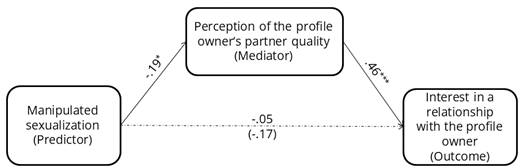
Note. Path coefficients are standardized. The value in parentheses is from the analysis of the effect
without the perception of the profile owner’s partner quality in the equation. *p < .05, ***p < .001.
More importantly, results indicated that the 95% CI of the indirect effect for manipulated sexualization as a predictor of interest in a long-term relationship with the profile owner through the profile owner’s perceived partner quality did not include zero and thus is considered significant (b = −.10, SE = .05, β = −.09, 95% CI [−.18, −.01], 5,000 bootstrapped samples). Furthermore, an alternative model, suggesting that the association between manipulated sexualization and perceived partner quality is mediated by interest in a long-term relationship with the profile owner, did not yield a significant indirect effect (b = −.05, SE = .03, β = −.06, 95% CI [−.15, .01], 5,000 bootstrapped samples). These analyses support our hypothesized mediation model, such that the manipulation of sexualization was associated with rating the profile owner as lower in partner quality, which, in turn, predicted a diminished desire to engage in a long-term relationship with the profile owner.
The results of Study 2 partially echoed those observed in Study 1. Similar to the impact of sexualized still images in Study 1, the utilization of sexualized dating introduction videos could backfire, causing individuals to be perceived as less desirable potential partners with a greater inclination toward casual encounters. The unfavorable effects of sexualization extended beyond participants’ perceptions of the profile owner, encompassing their innermost desires, as evaluated by independent judges. Study 2’s results also shed light on the reasons behind the reduced interest in forming long-term relationships with individuals who employ sexualized introductions, revealing that this reduced interest results from perceiving them as less suitable partners (e.g., being less helpful and inadequate as parents) compared to their non-sexualized counterparts.
This finding applied to both men and women, as their high investment in long-term relationships may compel them to avoid the costs associated with choosing the wrong partner. Consequently, they may become sensitive to markers of low mate value while seeking a compatible partner for the long haul (Birnbaum et al., 2016; Jonason et al., 2015). Our findings suggest that the decision to employ a sexualized dating introduction may act as one such marker, raising doubts about the compatibility of individuals resorting to such introductions. This choice may inadvertently signal qualities or intentions perceived as incongruent with the pursuit of meaningful and enduring relationships, such as being an unreliable parent or having a preference for casual encounters.
Study 3
The aim of Study 3 was to determine whether humanizing self-descriptions that show concern for others (i.e., communally oriented) could mitigate the negative impact of sexualized photos on viewers’ impressions and relationship intentions. We created four types of dating profiles by combining two factors: photo sexualization (sexualized or non-sexualized) and communal self-description (communally oriented or neutral). We asked participants to view these profiles and then rate the profile owners on the following dimensions: sexual objectification, partner quality, interest in casual sex, interest in long-term relationships, and their own interest in pursuing a long-term relationship with these profile owners. We hypothesized that the type of self-description would moderate the effects of photo sexualization on viewers’ perceptions and relationship intentions, such that the negative effects of sexualized photos would be weaker when the self-description was communally oriented than when it was neutral. We reasoned that a communally oriented self-description would convey the profile owner’s humanity and complexity, which would reduce the objectification triggered by sexualized photos.
Method
Participants
One hundred and forty students (71 women, 69 men) from a Mediterranean university (Western cultural context) participated in the study, either for course credit or in exchange for $15. The sample size was determined through a priori power analysis using the G*Power software package (Faul et al., 2009), ensuring 80% power to detect a medium effect size (f = 0.25) at p < .05, and specifying a correlation of .50 between the repeated assessments. The age range of participants spanned from 20 to 34 years (M = 24.74, SD = 2.42). All participants were heterosexual and not currently engaged in a romantic relationship.
Measures and Procedure
Participants who consented to take part in a study on preferences and perceptions in online dating followed a procedure similar to that of Study 1. However, they were instructed to review four dating profiles (see Appendix B), as opposed to the two in Study 1, each featuring a brief self-description of preferred leisure activities alongside photos of the profile owner. The photos varied in their degree of sexualization (sexualized or non-sexualized), and the self-descriptions varied in their degree of communal orientation (communally oriented or neutral). For example, a communally oriented self-description would include statements like “I love meeting up with friends, taking sunset beach walks, volunteering with the elderly, and assisting them on a weekly basis,” while a neutral self-description would include statements like “I like the beach, going to parties, and just enjoying life.” The presentation order of the profiles was randomized, mirroring the approach in Study 1, to control for order effects.
As outlined in Study 1, following the review of each profile, participants proceeded to complete the single manipulation check item, the five sexual objectification items (α = .82), and the three items assessing the profile owner’s perceived partner quality (α = .72). Additionally, participants furnished single-item evaluations regarding the profile owner’s interest in long-term relationships and interest in casual sex, as well as their own interest in establishing a long-term relationship with the profile owner. Lastly, participants provided demographic information, such as age and the number of past romantic relationships, and received a comprehensive debriefing.
Results and Discussion
Manipulation Check
A paired t-test on perceived sexualization yielded the expected effect, t(139) = 10.02, p < .001, Cohen’s d = 0.85, 95% confidence interval (CI) for Cohen’s d [0.65, 1.04]. Participants rated the profile owner as more sexual in the sexualized condition (M = 3.55, SD = .69) than in the non-sexualized condition (M = 2.76, SD = .82; see also Tables 3 and 4).
Table 3. Means and Standard Deviations of Men’s Perceptions of Profile Owners and Relationship Intentions
for the Experimental Conditions (Study 3).
|
|
Sexualized – Neutral |
Sexualized – Communal |
Non-Sexualized – Neutral |
Non-Sexualized – Communal |
|
Perceived sexualization |
3.90 (0.84) |
3.26 (1.06) |
2.96 (1.02) |
2.70 (0.90) |
|
Sexual objectification |
3.79 (0.64) |
2.92 (0.71) |
3.11 (0.82) |
2.61 (0.66) |
|
Partner quality |
2.82 (0.55) |
4.13 (0.66) |
2.99 (0.69) |
4.23 (0.72) |
|
Perceived interest in casual sex |
3.51 (0.92) |
2.55 (0.87) |
3.00 (0.97) |
2.54 (1.02) |
|
Perceived interest in a relationship |
2.77 (0.84) |
4.29 (0.75) |
3.07 (0.96) |
4.22 (0.92) |
|
Interest in a relationship with profile owner |
2.68 (1.12) |
4.17 (1.01) |
2.48 (1.10) |
4.14 (0.96) |
|
Note. N = 69. Standard deviations are presented in parentheses. Items were rated on a 5-point Likert scale. |
||||
Table 4. Means and Standard Deviations of Women’s Perceptions of Profile Owners and Relationship Intentions
for the Experimental Conditions (Study 3).
|
|
Sexualized – Neutral |
Sexualized – Communal |
Non-Sexualized – Neutral |
Non-Sexualized – Communal |
|
Perceived sexualization |
3.48 (0.89) |
3.56 (0.89) |
3.04 (1.18) |
2.37 (1.09) |
|
Sexual objectification |
3.59 (0.67) |
3.36 (0.68) |
3.35 (0.74) |
2.22 (0.76) |
|
Partner quality |
3.12 (0.63) |
3.74 (0.67) |
2.43 (0.73) |
4.43 (0.48) |
|
Perceived interest in casual sex |
3.54 (0.97) |
3.49 (0.92) |
4.24 (0.82) |
2.68 (1.12) |
|
Perceived interest in a relationship |
2.76 (0.92) |
3.04 (0.98) |
2.01 (0.98) |
4.03 (0.74) |
|
Interest in a relationship with profile owner |
2.37 (1.10) |
3.34 (1.22) |
1.51 (0.69) |
4.14 (0.98) |
|
Note. N = 71. Standard deviations are presented in parentheses. Items were rated on a 5-point Likert scale. |
||||
Main Analyses
To examine the effect of sexualization manipulation on perceptions of profile owners and viewers’ relationship intention, we conducted a 2 (Sexualization: Sexualized, Non-sexualized) × 2 (Type of self-description: Neutral, Communally oriented) × 2 (Gender: Men, Women) analysis of variance (ANOVA), with repeated measures on the first two factors, for each outcome variable separately. Table 3 and Table 4 present means and standard deviations separately for men and women. In the interest of brevity and clarity, only significant main and interaction effects have been reported.
The analysis of sexual objectification yielded a significant effect for the manipulations of sexualization, F(1, 138) = 86.08, p < .001, ηp2 = .384, 95% CI [.26, .49] and communal orientation, F(1, 138) = 136.19, p < .001, ηp2 = .497, 95% CI [.38, .58] that were qualified by a significant Sexualization × Communal orientation interaction, F(1, 138) = 7.19, p = .008, ηp2 = .050, 95% CI [.01, .13] and a significant Sexualization × Communal orientation × Gender interaction, F(1, 138) = 42.06, p < .001, ηp2 = .234, 95% CI [.12, .34].
Simple effects tests revealed that women perceived the sexualized profile owner as more sexually objectified than the non-sexualized profile owner, both when the self-description was communally oriented, F(1, 138) = 115.44, p < .001, ηp2 = .455, 95% CI [.33, .55] and when it was neutral, F(1, 138) = 4.04, p = .046, ηp2 = .028, 95% CI [.00, .10]. Notably, the differences between the sexualized and non-sexualized conditions were more marked when the self-description was communally oriented compared to when it was neutral. Men also perceived the sexualized profile owner as more sexually objectified than the non-sexualized profile owner both when the self-description was communally oriented, F(1, 138) = 8.24, p = .005, ηp2 = .056, 95% CI [0.01, 0.14] and when it was neutral, F(1, 138) = 31.54, p < .001, ηp2 = .186, 95% CI [.08, .30]. However, unlike women, the differences between the sexualized and non-sexualized conditions were less marked when the self-description was communally oriented compared to when it was neutral (see Table 3 and Table 4).
The analysis of perceived partner quality yielded a significant effect for the manipulation of communal orientation, F(1, 138) = 425.65, p < .001, ηp2 = .755, 95% CI [.69, .80] that was qualified by a significant Sexualization × Communal orientation interaction, F(1, 138) = 48.70, p < .001, ηp2 = .261, 95% CI [.14, .37] and a significant Sexualization × Communal orientation × Gender interaction, F(1, 138) = 60.09, p < .001, ηp2 = .303, 95% CI [.18, .41]. Simple effects tests revealed that when the self-description was communally oriented, women rated the sexualized profile owner as lower in partner quality than the non-sexualized profile owner, F(1, 138) = 75.70, p < .001, ηp2 = .354, 95% CI [.23, .46]. In contrast, when the self-description was neutral, women rated the sexualized profile owner as higher in partner quality than the non-sexualized profile owner, F(1, 138) = 46.78, p < .001, ηp2 = .253, 95% CI [.14, .36]. The differences between the sexualized and non-sexualized conditions were not significant in men when the self-descriptions were communally oriented, F(1, 138) = 1.44, p = .232, ηp2 = .010, 95% CI [0.00, 0.07] or neutral, F(1, 138) = 2.73, p = .101, ηp2 = .019, 95% CI [.00, .08]. Men rated the profile owners as higher in partner quality when their self-description was communally oriented compared to neutral, regardless of the manipulation of sexualization.
The analysis of perceived interest in casual sex yielded a significant effect for the manipulation of communal orientation, F(1, 138) = 87.08, p < .001, ηp2 = .387, 95% CI [.26, .49] and the manipulation of sexualization, F(1, 138) = 4.20, p = .042, ηp2 = .030, 95% CI [.00, .10] that were qualified by a significant Sexualization × Communal orientation interaction, F(1, 138) = 14.31, p < .001, ηp2 = .094, 95% CI [.02, .19] and a significant Sexualization × Communal orientation × Gender interaction, F(1, 138) = 54.87, p < .001, ηp2 = .284, 95% CI [.16, .39]. Simple effects tests revealed that when the self-description was communally oriented, women perceived the sexualized profile owner as more interested in casual sex than the non-sexualized profile owner, F(1, 138) = 32.76, p < .001, ηp2 = .192, 95% CI [.09, .30]. In contrast, when the self-description was neutral, women perceived the sexualized profile owner as less interested in casual sex than the non-sexualized profile owner, F(1, 138) = 23.13, p < .001, ηp2 = .144, 95% CI [.05, .25]. The differences between the sexualized and non-sexualized conditions were not significant in men when the self-description was communally oriented, F(1, 138) = 0.01, p = .920, ηp2 = .000, 95% CI [.00, .02]. However, when the self-description was neutral, men perceived the sexualized profile owner as more interested in casual sex than the non-sexualized profile owner, F(1, 138) = 11.66, p < .001, ηp2 = .078, 95% CI [.01, .17].
The analysis of perceived interest in a long-term relationship yielded a significant effect for the manipulation of communal orientation, F(1, 138) = 229.52, p < .001, ηp2 = .625, 95% CI [.53, .69] that was qualified by a significant Sexualization × Communal orientation interaction, F(1, 138) = 25.88, p < .001, ηp2 = .157, 95% CI [.06, .27] and a significant Sexualization × Communal orientation × Gender interaction, F(1, 138) = 62.43, p < .001, ηp2 = .311, 95% CI [.19, .42]. Simple effects tests revealed that when the self-description was communally oriented, women perceived the sexualized profile owner as less interested in a long-term relationship than the non-sexualized profile owner, F(1, 138) = 75.81, p < .001, ηp2 = .355, 95% CI [.23, .46]. In contrast, when the self-description was neutral, women perceived the sexualized profile owner as more interested in a long-term relationship than the non-sexualized profile owner, F(1, 138) = 25.04, p < .001, ηp2 = .154, 95% CI [.06, .26]. The differences between the sexualized and non-sexualized conditions were not significant in men when the self-description was communally oriented, F(1, 138) = 0.40, p = .529, ηp2 = .003, 95% CI [.00, .04]. However, when the self-description was neutral, men perceived the sexualized profile owner as less interested in a long-term relationship than the non-sexualized profile owner, F(1, 138) = 4.04, p = .046, ηp2 = .028, 95% CI [.00, .10].
The analysis of interest in a long-term relationship with the profile owner yielded a significant effect for the manipulation of communal orientation, F(1, 138) = 331.74, p < .001, ηp2 = .706, 95% CI [.62, .76] that was qualified by a significant Sexualization × Communal orientation interaction, F(1, 138) = 45.24, p < .001, ηp2 = .247, 95% CI [.13, .36] and a significant Sexualization × Communal orientation × Gender interaction, F(1, 138) = 29.72, p < .001, ηp2 = .177, 95% CI [.07, .29]. Simple effects tests revealed that when the self-description was communally oriented, women expressed less interest in a long-term relationship with the sexualized profile owner compared to the non-sexualized profile owner, F(1, 138) = 34.10, p < .001, ηp2 = .198, 95% CI [.09, .31]. In contrast, when the self-description was neutral, women expressed more interest in a long-term relationship with the sexualized profile owner compared to the non-sexualized profile owner, F(1, 138) = 32.91, p < .001, ηp2 = .193, 95% CI [.09, .30]. The differences between the sexualized and non-sexualized conditions were not significant in men when the self-description was both communally oriented, F(1, 138) = 0.04, p = .836, ηp2 = .000, 95% CI [.00, .03] and neutral, F(1, 138) = 1.78, p = .184, ηp2 = .013, 95% CI [.00, .07]. Men expressed more interest in a long-term relationship with the profile owner when their self-description was communally oriented compared to neutral, regardless of manipulation of sexualization.
In line with our predictions, Study 3 indicated that the communal orientation of profile owners moderated the impact of photo sexualization on viewers’ perceptions and relationship intentions. However, this moderating effect differed between men and women. For men, sexualized photos made profile owners appear more interested in casual sex and less interested in a long-term relationship, but only when their self-description was neutral. When profile owners described themselves as communally oriented, the sexualization of photos had no discernible effect on men’s perceptions of the owner’s relationship intentions. This suggests that a self-description emphasizing concern for others may humanize the profile owner, eliminating the negative impact of photo sexualization. Such self-description might also reassure men about the profile owner’s ability to be a good partner and parent, which sexualization by itself may undermine, making sexualization irrelevant to their interest in forming a meaningful relationship. These findings highlight that, for men looking for dates, sexualized photos do not always lead to negative outcomes. Positive outcomes can occur when a dating profile includes information that adds complexity to its owner, challenging objectification and signaling that the profile owner can offer more than just good looks. This “humanization” effect, however, appears to be conditional, and the cognitive processes it triggers may differ between male and female viewers.
Women tend to be more cautious than men when approaching dating opportunities (Haselton & Nettle, 2006), as they usually have more to lose from a bad mating choice than men do (Trivers, 1972; Walter et al., 2020). This tendency toward caution may shape how women interpret dating profiles that contain ambiguous or potentially inconsistent cues. They may therefore have doubts about a stranger’s relationship intentions when they encounter dating profiles that present inconsistent information about the owner, such as sexualized photos with a communally oriented self-description or non-sexualized photos with a more hedonic self-description. This inconsistency may raise questions about the profile owner’s relationship goals, leading women to perceive such profiles as “strange” or untrustworthy and wonder if something is wrong. For example, in the case of sexualized photos with a communally oriented self-description, women may suspect that the profile owner is dishonest or has a hidden motive, trying to deceive them by creating a favorable impression to get sexual favors. Such an interpretation aligns with prior research showing that women tend to be more alert than men to cues of potential deception in romantic contexts (e.g., Haselton et al., 2005).
Alternative, other explanations are also possible. For example, in cases of non-sexualized photos with a more hedonic self-description, women may view the profile owner as dull when paired with a non-sexual photo. However, when the same description is paired with a sexualized photo, it could be interpreted as confident, energetic, and straightforward. These findings may therefore reflect not only women’s sensitivity to inconsistent information but also their ability to interpret sexualized presentations differently depending on the context provided by the accompanying self-description. Importantly, this explanation is speculative, calling for future research to directly test the role of information consistency in women’s mate selection judgments and to examine how what counts as inconsistent (and whether it is treated as a red flag) may vary across geographic and sociocultural contexts (e.g., local gender norms and meanings attached to sexual self-presentation in online dating). Overall, these findings complement previous studies showing that women are more careful than men in the dating realm (e.g., Birnbaum et al., 2014; Birnbaum & Reis, 2012), revealing that women prefer profiles with coherence and consistency, evaluating them more positively compared to profiles with inconsistencies.
General Discussion
In the competitive world of online dating, people may want to show their best and most attractive selves to potential mates (Birnbaum, Iluz, & Reis, 2020). This self-presentation, however, may impose conflicting tensions between the need to outshine rivals and concerns about conveying an unintended impression. On one hand, within a society that idolizes sexual attractiveness, people may feel compelled to exude a sexy aura to catch the eye of desirable partners (e.g., Daniels & Zurbriggen, 2016; Liss et al., 2011). On the other hand, they may fear that such self-presentation may make them seem less serious or trustworthy (Yan et al., 2023). The present research was designed to investigate the repercussions of opting for a sexualized self-presentation in the context of online dating, focusing on how it affects date seekers’ views of profile owners and their intentions to pursue a relationship with them.
Through a series of three studies, we demonstrated the negative effects of sexualization in online dating, explaining why sexualized dating profiles are less appealing for long-term relationships and providing insights into how these effects can be mitigated and for whom. In Study 1, we compared sexualized and non-sexualized dating profiles, discovering that the negative judgments stemming from sexualized dating profiles documented in previous studies (e.g., perceiving sexualized profile owners as more inclined to casual encounters and as less suitable partners; Daniels et al., 2022; Yan et al., 2023) extended to a diminished interest in forming long-term relationships with the individuals behind the profiles. This study further revealed that women were harsher than men in their evaluations of sexualized profile owners. As Study 1 used different profile owners for the sexualized and non-sexualized conditions, these findings are preliminary and may partly reflect participants’ preferences for a specific profile owner rather than the sexualization manipulation itself. Study 2 replicated the findings of Study 1 in a different format of video introduction, addressing this limitation and showing that the low interest in long-term relationships with sexualized profile owners could be attributed to perceiving them as less intelligent, helpful, and adequate as parents. In Study 3, we found that adding a self-description that humanized the profile owners counteracted the negative effects of sexualization for women’s profiles but not for men’s profiles.
Past studies have consistently highlighted the negative consequences of sexualization for how people are viewed and treated in various social and media settings (e.g., Liss et al., 2011; Ward, 2016). Online dating is no exception, as research has found that people who use sexualized profiles are perceived as less competent, less socially attractive, and less interested in long-term relationships than those who use non-sexualized profiles (Daniels et al., 2022; Yan et al., 2023). Our investigation builds upon these existing findings, illustrating that such negative judgments translate into reduced interest in establishing enduring relationships with those who opt for a sexually oriented self-presentation, possibly because of the message it sends. Specifically, potential partners may interpret the choice to adopt a sexualized self-presentation as a signal of low mate value, implying that the profile owners have either nothing else to offer or that they are primarily looking for casual hookups rather than committed relationships.
Our findings also indicate that women are more critical of sexualized profiles than men. This heightened scrutiny in women may reflect the greater risks that women face from poor mating choices (Trivers, 1972; Walter et al., 2020), which have made them more vigilant to signs of low-quality partners (Birnbaum et al., 2016; Haselton & Nettle, 2006). Still, as our findings demonstrate, both men and women were discouraged by sexualized profiles when seeking long-term partnerships, likely due to the substantial investment such relationships demand (Birnbaum et al., 2018; Jonason et al., 2015).
Our findings further show that men might be more ready than women to ignore the warning signs conveyed by sexualized profile photos, even for long-term relationships, if positive cues such as a self-description that shows communal values are present, which suggest that the profile owners could be good partners and parents (Li et al., 2002). These cues may ease men’s worries about the profile owners’ compatibility, but they may not convince women who are more doubtful when they encounter inconsistent information about potential partners and may question their true intentions (Birnbaum et al., 2014; Birnbaum & Reis, 2012). Women may suspect, for example, that a dating profile with sexualized photos and a communal self-description is a trick to lure them into sex rather than a genuine sign of caring for others. In this sense, consistent with Expectancy Violation Theory (Burgoon, 1993), the mismatch between sexualized photos and a communal self-description may violate women’s expectations about how a profile of a desirable long-term partner “should” look. When this violation is interpreted as signaling deceptive intent (rather than “the best of both worlds”), it is likely to be treated as a red flag and evaluated negatively, which may account for women’s particularly unfavorable responses to sexualized–communal profiles in Study 3.
Overall, our research indicates that using sexualized profile images for online dating does not necessarily lead to negative outcomes. Rather, the key determinant influencing whether such images provoke negative judgments of profile owners is their contextual meaning. When sexualized images are the only source of information, they may signal a lack of interest in committed relationships or a low mate value. However, when they are paired with information that shows the profile owners as more human and complex, sexualization becomes less important for impression formation, especially for men.
These conclusions should be interpreted with caution due to the specificity of our approach, wherein we employed a distinct profile owner for each condition with a single set of photos. Consequently, participants’ judgments may have reflected preferences for the specific profile used rather than the impact of sexualization itself. Similarly, each condition featured a unique self-description, meaning that participants’ evaluations could have been influenced by aspects of the self-description beyond its intended communal orientation. For example, participants might have rated a profile owner more favorably if they shared similar leisure interests. Furthermore, in Studies 1 and 3, participants viewed all profiles, which could have made our hypotheses more apparent. To address these limitations, future research should utilize multiple profiles and varied self-descriptions within each condition. We also recognize that the controlled experimental setting may have heightened participants’ awareness of being evaluated, potentially increasing social desirability concerns and leading to more conservative evaluations of sexualized profiles. Naturalistic studies could help determine whether similar evaluations occur in actual dating environments, where social monitoring pressures are lower and normative expectations may differ.
Another limitation concerns the lack of contextual information about the type of dating platform participants believed they were using (e.g., oriented toward long-term relationships vs. casual sex) and the absence of measures of participants’ baseline relationship goals. These omissions precluded analyses of whether such goals moderated the observed effects. Indeed, while unwanted sexualization may lead to dehumanization and cause severe harm (e.g., Liss et al., 2011; Ramsey et al., 2017; Ward, 2016), in some contexts and on certain dating platforms, sexualization may be normative and even desired (e.g., Daniels et al., 2022). In such cases, sexualization can serve as an explicit self-presentation strategy aligned with users’ relational goals. Conversely, people seeking long-term partners may be more sensitive to cues they interpret as warning signals, potentially heightening their criticism of sexualized profile owners.
The present findings should also be interpreted in light of their sociocultural context. Our studies were conducted with Western, Mediterranean student samples, reflecting the norms of a liberal yet still gendered society. These culturally specific gender norms and attitudes toward sexuality may shape how people form impressions and respond to sexualized dating profiles. At the same time, people in Mediterranean regions use dating apps in broadly similar ways to their peers elsewhere. They follow the same core practices (photo-based self-presentation, a multistep move from dating app to more personal chat apps, and then offline meetings), pursue similar motives (e.g., seeking sexual or romantic relationships), and experience comparable mixed outcomes (e.g., both hookups and long-term relationships; e.g., Barrada & Castro, 2020; Freire et al., 2023).
Differences lie mainly in how openly certain motives are expressed, how risks are framed, and how app-based relationships are evaluated in light of local sexual and family norms (e.g., Sunam et al., 2024). Hence, what counts as “sexualized” may differ across cultural or social-class contexts, as people from different backgrounds often use distinct forms of online self-presentation. Photos that appear sexualized in one sociocultural milieu may instead signal style, confidence, or social status in another. For example, in more sexually conservative milieus, a swimsuit photo may be viewed as a norm violation that carries reputational costs, increasing inferences of short-term intent or lower relationship commitment. In more sexually permissive milieus, the same photo may be interpreted as normative self-presentation or straightforward signaling, shaping impressions less negatively.
More broadly, our research was designed to examine responses to sexualization in mainstream, heterosexual dating contexts, which remain the predominant focus of prior studies. Nonetheless, we acknowledge that dating apps have diverse origins and uses. For example, among sexual minority groups, sexualization, when it occurs with personal agency and within supportive cultural contexts, may foster affirmation or empowerment rather than signaling norm violation (e.g., Randazzo et al., 2015). We therefore emphasize that sexualized self-presentation should not be interpreted as inherently improper or morally problematic. Our aim was not to pass moral judgment but to explore how sexualized self-presentation is perceived and how such perceptions influence relational intentions within a particular cultural setting. Future work should explicitly consider sexual diversity and non-heteronormative experiences, as well as how sexualization functions across platforms serving different relational and community goals. Furthermore, our relatively small and homogeneous samples limit the generalizability of our findings to broader and more diverse populations. Replications across different age groups, cultures, sexual preferences, and dating contexts are needed to establish the robustness and cultural specificity of the observed effects.
Future research would also benefit from integrating qualitative and theoretical work on gendered double binds—where women face contradictory expectations to be both sexually appealing and sexually modest (e.g., Inglis & MacKeogh, 2012)—and the remoralization of sexuality, in which behaviors once framed as sexually liberating are increasingly subject to moral judgment (e.g., Bay-Cheng, 2015; Jackson & Scott, 2004). These frameworks highlight the paradoxes inherent in contemporary expressions of sexual emancipation, particularly the tension between being sexually open and facing social devaluation for that very openness (e.g., Bay-Cheng, 2015). We acknowledge that our categorical distinction between sexualized and non-sexualized profiles may itself inadvertently reinforce these dynamics, potentially overlooking the complex ways people present themselves and navigate sexualization in online dating. Although beyond our scope, sex-positive (emphasizing sexual autonomy) and “bad feminism” (embracing feminist commitments while acknowledging one can still enjoy popular culture that some feminists critique) perspectives may help future interdisciplinary work clarify when sexualized self-presentation is experienced as empowering versus constrained by gendered double binds and remoralization.
Despite its limitations, the present research advances the understanding that sexualization is not inherently positive or negative. Rather, its consequences depend on the surrounding context, the characteristics of the audience, and the relational goals at play. In particular, even in the online dating scene, where success largely hinges on displaying one’s reproductive value, purely sexy self-presentation appears detrimental to attracting long-term partners. However, a well-rounded self-presentation that integrates sexiness and substance can counteract the harmful effects of sexual objectification and enhance profile appeal. Our findings suggest that this integration is meaningful, as date seekers may face the competing motives of appearing sexually desirable while simultaneously signaling trustworthiness, warmth, and relational intent. Combining sexual appeal with cues of substance (e.g., competence, care, or communality) may allow profile owners to convey desirability without evoking concerns about superficiality or lack of seriousness. In this way, the integration of sexiness and substance may represent an adaptive self-presentation strategy that reconciles erotic appeal with the pursuit of authentic and promising connection.
Footnotes
Conflict of Interest
The authors have no conflicts of interest to declare.
Use of AI Services
The authors declare that they used AI services, specifically OpenAI’s ChatGPT, to generate the figures presented in Appendix A and Appendix B. All generated materials were carefully reviewed by the authors, who take full responsibility for their accuracy.
Acknowledgement
This research was supported by the Israel Science Foundation (Grant 1158/22 awarded to Gurit E. Birnbaum). We would like to thank Tal Hashahar Vaissman-Keinan, Maya Shaboo, Shachar Zohar, Shelly Masor, Noa Azoulay, Anna Bracha, Nave Shechter, Noa Mizrahi, and Shelly Cohen for their assistance in conducting the research.
Appendices
Appendix A
Because the actual confederates’ photos are confidential, we present AI-generated schematic illustrations modeled after the originals.
Figure A1. An Illustrative Sexualized Profile Image (Study 1).
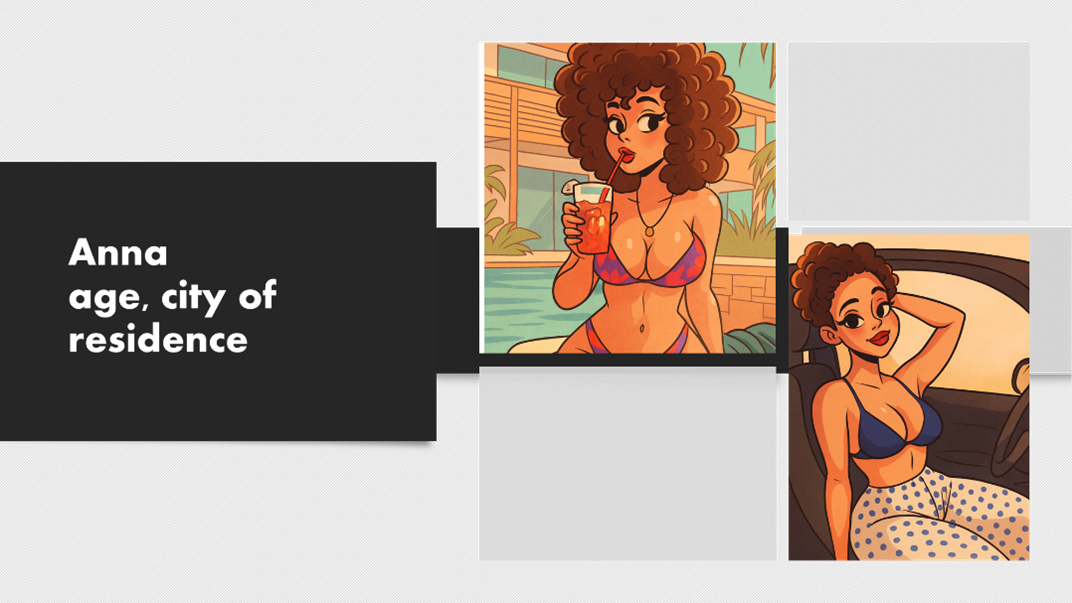
Figure A2. An Illustrative Non-Sexualized Profile Image (Study 1).
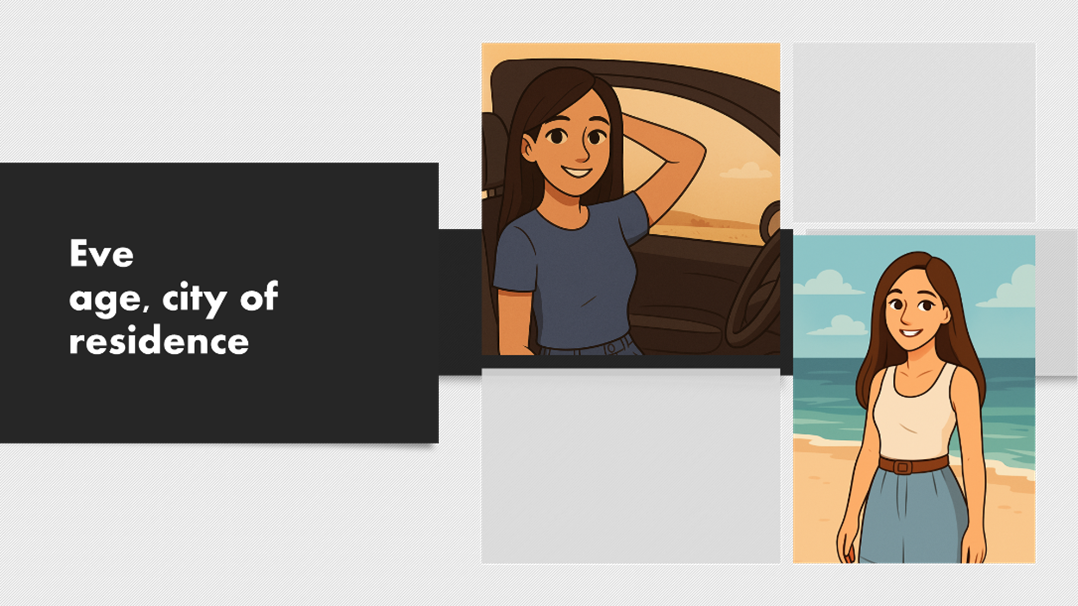
Appendix B
Because the actual confederates’ photos are confidential, we present AI-generated schematic illustrations modeled after the originals.
Figure B1. An Illustrative Sexualized Profile Image With a Neutral Self-Description (Study 3).

Figure B2. An Illustrative Non-Sexualized Profile Image with a Neutral Self-Description (Study 3).
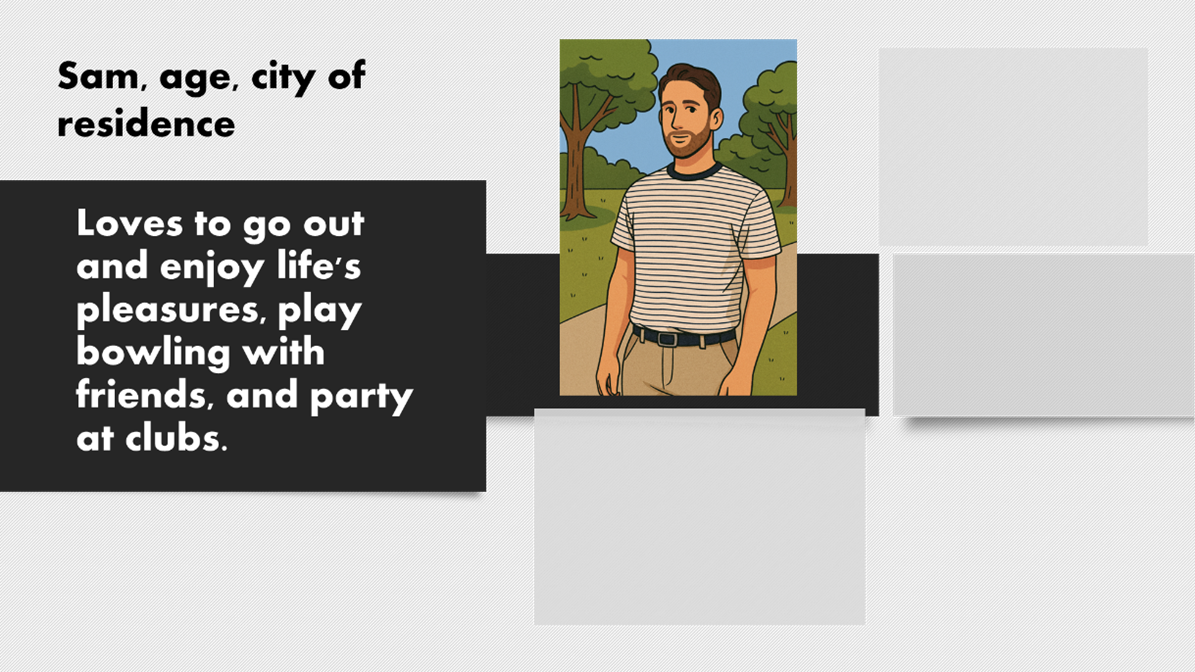
Figure B3. An Illustrative Sexualized Profile Image With a Communal Self-Description (Study 3).

Figure B4. An Illustrative Non-Sexualized Profile Image With a Communal Self-Description (Study 3).



This work is licensed under a Creative Commons Attribution-ShareAlike 4.0 International License.
Copyright © 2026 Gurit Birnbaum, Kobi Zholtack, Harry T. Reis