
Beautifully diverse? Self-representations and diversity preferences in avatar-mediated virtual environments
Vol.20,No.3(2026)
Xiangting Bernice Lin
 Chen Lou
Lin Qiu
Chen Lou
Lin Qiu
While online platforms increasingly prioritize diversity by offering extensive avatar customization options, it remains unclear how the avatar features that users are attracted to impact their objective diversity and whether perceived avatar diversity raises user engagement. We conducted two studies using a simulated avatar customization website to examine how user customization of avatars impacts each feature’s objective diversity. Further, drawing from the hyperpersonal model and aesthetic appreciation theory, we present users with groups of avatars that varied in levels of perceived attractiveness and diversity and assess their likelihoods of joining the platform. Study 1 analyzed 136 majority White participants (age range: 21 – 63 years; M = 37.4, SD = 10.8; 49.3% female, 47.8% male, 0.7% non-binary or third gender; 2.2% missing), and study 2 analyzed 128 non-White participants (age range: 21 – 65 years; M = 35.2, SD = 10.2; 47.7% female, 47.7% male; 4.7% missing). The results revealed two types of avatar features that were sample-dependent: (1) aesthetically-normative features, which align with widely accepted attractiveness norms, reduce objective diversity; and (2) aesthetically-expressive features, which allow creative self-expression, increase objective diversity. Regardless of the sample demographic, perceived avatar diversity amplified the positive effect of attractive avatars on users’ likelihood of joining the platform. This research demonstrates the utility of integrating the hyperpersonal model and aesthetic appreciation theory in theorizing the interaction between perceived avatar attractiveness and diversity on user engagement. It also uncovers a socio-technical feedback loop by studying objective and perceived diversity simultaneously. Actionable insights are provided to address the ethical implications of our findings.
attractiveness; self-representation; avatar; metaverse; diversity; beauty
Xiangting Bernice Lin
Interdisciplinary Graduate School, Nanyang Technological University, Wee Kim Wee School of Communication and Information, Nanyang Technological University
Xiangting Bernice Lin is a PhD candidate in the Interdisciplinary Graduate Program at Nanyang Technological University, Singapore. Her doctoral research focuses on user perception and responses to the diversity of human avatars. Drawing on perspectives from psychology and communication, her work delves into the complexities of diversity, specifically aiming to reveal the often-overlooked ethical tensions and paradoxical dynamics inherent in how diversity is constructed and understood in virtual spaces.
Chen Lou
Wee Kim Wee School of Communication and Information, Nanyang Technological University, Singapore
Dr. Chen Lou is an Associate Professor at the Wee Kim Wee School of Communication and Information, Nanyang Technological University, Singapore. Her research focuses on consumer psychology and advertising effects, particularly on how consumers process information and how marketing communications (e.g., influencer marketing, AI advertising) shape behavior. Her work has been published in leading advertising and communication journals, including the Journal of Advertising (JA), International Journal of Advertising (IJA), and Journal of Computer-Mediated Communication (JCMC). She serves as Associate Editor for both the International Journal of Advertising and Journal of Interactive Advertising.
Ruoxi Fan
College of Computing and Data Science, Nanyang Technological University, Singapore
Ruoxi Fan received her M.S. in Computer Engineering from Nanyang Technological University, Singapore. She is a software engineer working in the IT industry. In her current role, she contributes to the design, development, and maintenance of complex software applications. Ruoxi enjoys tackling intricate technical problems and collaborating within team environments to deliver high-quality software solutions.
Lin Qiu
School of Journalism and Communication, The Chinese University of Hong Kong SAR, Department of Psychology, The Chinese University of Hong Kong SAR, School of Governance and Policy Science, The Chinese University of Hong Kong SAR, China
Dr. Lin Qiu is an Associate Professor at the Chinese University of Hong Kong with joint appointments in the Department of Psychology, School of Journalism and Communication, and School of Governance and Policy Science. He is the Director of the Data Science and Policy Studies Program, and an executive member of the Computational Social Science research cluster in the Faculty of Social Science. His research interests include Computational Social Science, Cyberpsychology, Social Psychology, and Human-computer Interaction.
Ahn, S., Jin, B. E., & Seo, H. (2025). Why do people customize avatars in the metaverse? Curiosity and SOR model perspective. Internet Research, 35(6), 2315–2341. https://doi.org/10.1108/INTR-11-2023-1042
Allan, L. J., Johnson, J. A., & Emerson, S. D. (2014). The role of individual difference variables in ageism. Personality and Individual Differences, 59, 32–37. https://doi.org/10.1016/j.paid.2013.10.027
Alt, N. P., & Phillips, L. T. (2022). Person perception, meet people perception: Exploring the social vision of groups. Perspectives on Psychological Science, 17(3), 768–787. https://doi.org/10.1177/17456916211017858
Bailenson, J. N., & Beall, A. C. (2006). Transformed social interaction: Exploring the digital plasticity of avatars. In R. Schroeder & A.-S. Axelsson (Eds.), Avatars at work and play: Collaboration and interaction in shared virtual environments (pp. 1–16). Springer. https://doi.org/10.1007/1-4020-3898-4_1
Batres, C., & Shiramizu, V. (2023). Examining the “attractiveness halo effect” across cultures. Current Psychology, 42(29), 25515–25519. https://doi.org/10.1007/s12144-022-03575-0
Bonnefon, J.-F., Shariff, A., & Rahwan, I. (2016). The social dilemma of autonomous vehicles. Science, 352(6293), 1573–1576. https://doi.org/10.1126/science.aaf2654
Budescu, D. V., & Budescu, M. (2012). How to measure diversity when you must. Psychological Methods, 17(2), 215–227. https://doi.org/10.1037/a0027129
Campiche, R., Trevisan, S., Séroul, P., Rawlings, A. V., Adnet, C., Imfeld, D., & Voegeli, R. (2019). Appearance of aging signs in differently pigmented facial skin by a novel imaging system. Journal of Cosmetic Dermatology, 18(2), 614–627. https://doi.org/10.1111/jocd.12806
Chin Evans, P., & McConnell, A. R. (2003). Do racial minorities respond in the same way to mainstream beauty standards? Social comparison processes in Asian, Black, and White women. Self and Identity, 2(2), 153–167. https://doi.org/10.1080/15298860309030
Daniels, D. P., Neale, M. A., & Greer, L. L. (2017). Spillover bias in diversity judgment. Organizational Behavior and Human Decision Processes, 139, 92–105. https://doi.org/10.1016/j.obhdp.2016.12.005
Dion, K., Berscheid, E., & Walster, E. (1972). What is beautiful is good. Journal of Personality and Social Psychology, 24(3), 285–290. https://doi.org/10.1037/h0033731
Do, T. D., Zelenty, S., Gonzalez-Franco, M., & McMahan, R. P. (2023). Valid: A perceptually validated virtual avatar library for inclusion and diversity. Frontiers in Virtual Reality, 4, Article 1248915. https://doi.org/10.3389/frvir.2023.1248915
Eagly, A. H., Ashmore, R. D., Makhijani, M. G., & Longo, L. C. (1991). What is beautiful is good, but…: A meta-analytic review of research on the physical attractiveness stereotype. Psychological Bulletin, 110(1), 109–128. https://doi.org/10.1037/0033-2909.110.1.109
Fink, B., Neave, N., Manning, J. T., & Grammer, K. (2006). Facial symmetry and judgements of attractiveness, health and personality. Personality and Individual Differences, 41(3), 491–499. https://doi.org/10.1016/j.paid.2006.01.017
Graf, L. K. M., & Landwehr, J. R. (2015). A dual-process perspective on fluency-based aesthetics: The pleasure-interest model of aesthetic liking. Personality and Social Psychology Review, 19(4), 395–410. https://doi.org/10.1177/1088868315574978
Harrison, D. A., & Klein, K. J. (2007). What's the difference? Diversity constructs as separation, variety, or disparity in organizations. Academy of Management Review, 32(4), 1199–1228. https://doi.org/10.5465/amr.2007.26586096
He, D., Workman, C. I., Kenett, Y. N., He, X., & Chatterjee, A. (2021). The effect of aging on facial attractiveness: An empirical and computational investigation. Acta Psychologica, 219, Article 103385. https://doi.org/10.1016/j.actpsy.2021.103385
Heine, S. J. (2020). Cultural psychology (4th ed.). W. W. Norton & Company.
High, A. C., & Caplan, S. E. (2009). Social anxiety and computer-mediated communication during initial interactions: Implications for the hyperpersonal perspective. Computers in Human Behavior, 25(2), 475–482. https://doi.org/10.1016/j.chb.2008.10.011
Homan, A. C., Greer, L. L., Jehn, K. A., & Koning, L. (2010). Believing shapes seeing: The impact of diversity beliefs on the construal of group composition. Group Processes & Intergroup Relations, 13(4), 477–493. https://doi.org/10.1177/1368430209350747
Hutcheson, K. (1970). A test for comparing diversities based on the shannon formula. Journal of Theoretical Biology, 29(1), 151–154. https://doi.org/10.1016/0022-5193(70)90124-4
Jaeger, B., Paolacci, G., & Boegershausen, J. (2025). Social bias blind spots: Attractiveness bias is seemingly tolerated because people fail to notice the bias. Journal of Personality and Social Psychology, 129(6), 1037–1053. https://doi.org/10.1037/pspa0000459
Jaffé, M. E., Jeitziner, L., Keller, M. D., & Walker, M. (2022). Differences in faces do make a difference: Diversity perceptions and preferences in faces. Journal of Experimental Social Psychology, 100, Article 104277. https://doi.org/10.1016/j.jesp.2021.104277
Jiang, L. C., Bazarova, N. N., & Hancock, J. T. (2011). The disclosure–intimacy link in computer-mediated communication: An attributional extension of the hyperpersonal model. Human Communication Research, 37(1), 58–77. https://doi.org/10.1111/j.1468-2958.2010.01393.x
Jones, D., & Hill, K. (1993). Criteria of facial attractiveness in five populations. Human Nature, 4(3), 271–296. https://doi.org/10.1007/bf02692202
Kauff, M., Stegmann, S., van Dick, R., Beierlein, C., & Christ, O. (2019). Measuring beliefs in the instrumentality of ethnic diversity: Development and validation of the Pro-Diversity Beliefs Scale (PDBS). Group Processes & Intergroup Relations, 22(4), 494–510. https://doi.org/10.1177/1368430218767025
Kim, C., Lee, S.-G., & Kang, M. (2012). I became an attractive person in the virtual world: Users’ identification with virtual communities and avatars. Computers in Human Behavior, 28(5), 1663–1669. https://doi.org/10.1016/j.chb.2012.04.004
Kissler, J., & Bäuml, K.-H. (2000). Effects of the beholder’s age on the perception of facial attractiveness. Acta Psychologica, 104(2), 145–166. https://doi.org/10.1016/S0001-6918(00)00018-4
Langlois, J. H., Kalakanis, L., Rubenstein, A. J., Larson, A., Hallam, M., & Smoot, M. (2000). Maxims or myths of beauty? A meta-analytic and theoretical review. Psychological Bulletin, 126(3), 390–423. https://doi.org/10.1037/0033-2909.126.3.390
Lee, J.-E. R. (2014). Does virtual diversity matter?: Effects of avatar-based diversity representation on willingness to express offline racial identity and avatar customization. Computers in Human Behavior, 36, 190–197. https://doi.org/10.1016/j.chb.2014.03.040
Liao, G.-Y., Cheng, T. C. E., & Teng, C.-I. (2019). How do avatar attractiveness and customization impact online gamers’ flow and loyalty? Internet Research, 29(2), 349–366. https://doi.org/10.1108/IntR-11-2017-0463
Lin, X. B., Lou, C., & Ho, M.-H. R. (2025). Avatar Diversity Perception Scale (ADPS): A new multidimensional measure for perceived human avatar diversity. Frontiers in Psychology, 16, Article 1705591. https://doi.org/10.3389/fpsyg.2025.1705591
Löckenhoff, C. E., De Fruyt, F., Terracciano, A., McCrae, R. R., De Bolle, M., Costa, P. T., Aguilar-Vafaie, M. E., Ahn, C.-K., Ahn, H.-N., Alcalay, L., Allik, J., Avdeyeva, T. V., Barbaranelli, C., Benet-Martínez, V., Blatný, M., Bratko, D., Cain, T. R., Crawford, J. T., Lima, M. P., . . . Yik, M. (2009). Perceptions of aging across 26 cultures and their culture-level associates. Psychology and Aging, 24(4), 941–954. https://doi.org/10.1037/a0016901
Maas, C. J. M., & Hox, J. J. (2005). Sufficient sample sizes for multilevel modeling. Methodology: European Journal of Research Methods for the Behavioral and Social Sciences, 1(3), 86–92. https://doi.org/10.1027/1614-2241.1.3.86
Mack, K., Hsu, R. C. L., Monroy-Hernández, A., Smith, B. A., & Liu, F. (2023). Towards inclusive avatars: Disability representation in avatar platforms. In Proceedings of the 2023 CHI Conference on Human Factors in Computing Systems (Article 607, pp. 1–13). https://doi.org/10.1145/3544548.3581481
McKinsey & Company. (2022). Value creation in the metaverse: The real business of the virtual world. https://www.mckinsey.com/capabilities/growth-marketing-and-sales/our-insights/value-creation-in-the-metaverse
Messinger, P. R., Ge, X., Smirnov, K., Stroulia, E., & Lyons, K. (2019). Reflections of the extended self: Visual self-representation in avatar-mediated environments. Journal of Business Research, 100, 531–546. https://doi.org/10.1016/j.jbusres.2018.12.020
Monk, E. P. Jr., Esposito, M. H., & Lee, H. (2021). Beholding inequality: Race, gender, and returns to physical attractiveness in the United States. American Journal of Sociology, 127(1), 194–241. https://doi.org/10.1086/715141
Morgan, H., O’Donovan, A., Almeida, R., Lin, A., & Perry, Y. (2020). The role of the avatar in gaming for trans and gender diverse young people. International Journal of Environmental Research and Public Health, 17(22), Article 8617. https://doi.org/10.3390/ijerph17228617
Nadal, M., Munar, E., Marty, G., & Cela-Conde, C. J. (2010). Visual complexity and beauty appreciation: Explaining the divergence of results. Empirical Studies of the Arts, 28(2), 173–191. https://doi.org/10.2190/EM.28.2.d
Nai, J., Narayanan, J., Hernandez, I., & Savani, K. (2018). People in more racially diverse neighborhoods are more prosocial. Journal of Personality and Social Psychology, 114(4), 497–515. https://doi.org/10.1037/pspa0000103
Naver Corporation. (2022). Zepeto (Version 3.16.0). Naver Corporation. https://web.zepeto.me/en
Nouveau-Richard, S., Yang, Z., Mac-Mary, S., Li, L., Bastien, P., Tardy, I., Bouillon, C., Humbert, P., & de Lacharrière, O. (2005). Skin ageing: A comparison between Chinese and European populations. A pilot study. Journal of Dermatological Science, 40(3), 187–193. https://doi.org/10.1016/j.jdermsci.2005.06.006
Nowak, K. L., & Rauh, C. (2005). The influence of the avatar on online perceptions of anthropomorphism, androgyny, credibility, homophily, and attraction. Journal of Computer-Mediated Communication, 11(1), 153–178. https://doi.org/10.1111/j.1083-6101.2006.tb00308.x
Office for National Statistics. (2025, June 27). Census-based statistics UK: 2021. https://www.ons.gov.uk/peoplepopulationandcommunity/populationandmigration/populationestimates/datasets/censusbasedstatisticsuk2021
Palmer, S. E., Schloss, K. B., & Sammartino, J. (2013). Visual aesthetics and human preference. Annual Review of Psychology, 64(1), 77–107. https://doi.org/10.1146/annurev-psych-120710-100504
Pazhoohi, F., & Kingstone, A. (2022). Unattractive faces are more attractive when the bottom-half is masked, an effect that reverses when the top-half is concealed. Cognitive Research: Principles and Implications, 7(6), Article 6. https://doi.org/10.1186/s41235-022-00359-9
Phillips, L. T., Slepian, M. L., & Hughes, B. L. (2018). Perceiving groups: The people perception of diversity and hierarchy. Journal of Personality and Social Psychology, 114(5), 766–785. https://psycnet.apa.org/doi/10.1037/pspi0000120
Ramasubramanian, S., & Banjo, O. O. (2020). Critical media effects framework: Bridging critical cultural communication and media effects through power, intersectionality, context, and agency. Journal of Communication, 70(3), 379–400. https://doi.org/10.1093/joc/jqaa014
Reber, R., Schwarz, N., & Winkielman, P. (2004). Processing fluency and aesthetic pleasure: Is beauty in the perceiver's processing experience? Personality and Social Psychology Review, 8(4), 364–382. https://doi.org/10.1207/s15327957pspr0804_3
Reinhardt, J. D., Ballert, C. S., Fellinghauer, B., Lötscher, A., Gradinger, F., Hilfiker, R., Graf, S., & Stucki, G. (2011). Visual perception and appraisal of persons with impairments: A randomised controlled field experiment using photo elicitation. Disability and Rehabilitation, 33(5), 441–452. https://doi.org/10.3109/09638288.2010.500344
Riles, J. M., Ramasubramanian, S., & Behm-Morawitz, E. (2022). Theory development and evaluation within a critical media effects framework. Journal of Media Psychology: Theories, Methods, and Applications, 34(2), 101–112. https://doi.org/10.1027/1864-1105/a000339
Samizadeh, S., & Wu, W. (2020). Ideals of facial beauty amongst the Chinese population: Results from a large national survey. Aesthetic Plastic Surgery, 44(4), 1173–1183. https://doi.org/10.1007/s00266-020-01815-x
Samson, N., Fink, B., Matts, P. J., Dawes, N. C., & Weitz, S. (2010). Visible changes of female facial skin surface topography in relation to age and attractiveness perception. Journal of Cosmetic Dermatology, 9(2), 79–88. https://doi.org/10.1111/j.1473-2165.2010.00489.x
Shannon, C. E., & Weaver, W. (1949). The mathematical theory of communication. University of Illinois Press.
Shemla, M., Meyer, B., Greer, L., & Jehn, K. A. (2016). A review of perceived diversity in teams: Does how members perceive their team's composition affect team processes and outcomes? Journal of Organizational Behavior, 37(S1), S89–S106. https://doi.org/10.1002/job.1957
Sherman, A., Grabowecky, M., & Suzuki, S. (2015). In the working memory of the beholder: Art appreciation is enhanced when visual complexity is compatible with working memory. Journal of Experimental Psychology: Human Perception and Performance, 41(4), 898–903. http://dx.doi.org/10.1037/a0039314
Starck, J. G., Sinclair, S., & Shelton, J. N. (2021). How university diversity rationales inform student preferences and outcomes. Proceedings of the National Academy of Sciences, 118(16), Article e2013833118. https://doi.org/10.1073/pnas.2013833118
Summers, R. L., Jackson, L., Woodward, L. H., Jones, J., & Dryer, S. (2011). Methodology for measuring diversity in human populations. Journal of Cultural Diversity, 18(2), 43–47.
Sun, Z., & Firestone, C. (2022). Beautiful on the inside: Aesthetic preferences and the skeletal complexity of shapes. Perception, 51(12), 904–918. https://doi.org/10.1177/03010066221124872
Teachman, J. D. (1980). Analysis of population diversity: Measures of qualitative variation. Sociological Methods & Research, 8(3), 341–362. https://doi.org/10.1177/004912418000800305
Tuch, A. N., Bargas-Avila, J. A., & Opwis, K. (2010). Symmetry and aesthetics in website design: It’s a man’s business. Computers in Human Behavior, 26(6), 1831–1837. https://doi.org/10.1016/j.chb.2010.07.016
United Nations. (2025, April 11). Diversity, equity and inclusion. https://unglobalcompact.org/take-action/action/dei
Unzueta, M. M., Knowles, E. D., & Ho, G. C. (2012). Diversity is what you want it to be: How social-dominance motives affect construals of diversity. Psychological Science, 23(3), 303–309. https://doi.org/10.1177/0956797611426727
U.S. Census Bureau. (2024, July 1). Quick facts: Population estimates. https://www.census.gov/quickfacts/fact/table/US/PST045224
Van Geert, E., & Wagemans, J. (2021). Order, complexity, and aesthetic preferences for neatly organized compositions. Psychology of Aesthetics, Creativity, and the Arts, 15(3), 484–504. https://doi.org/10.1037/aca0000276
van Knippenberg, D., & Schippers, M. C. (2007). Work group diversity. Annual Review of Psychology, 58, 515–541. https://doi.org/10.1146/annurev.psych.58.110405.085546
van Osch, Y., Blanken, I., Meijs, M. H., & van Wolferen, J. (2015). A group’s physical attractiveness is greater than the average attractiveness of its members: The group attractiveness effect. Personality and Social Psychology Bulletin, 41(4), 559–574. https://doi.org/10.1177/0146167215572799
Vasalou, A., & Joinson, A. N. (2009). Me, myself and I: The role of interactional context on self-presentation through avatars. Computers in Human Behavior, 25(2), 510–520. https://doi.org/10.1016/j.chb.2008.11.007
Waddell, T. F., & Ivory, J. D. (2015). It’s not easy trying to be one of the guys: The effect of avatar attractiveness, avatar sex, and user sex on the success of help-seeking requests in an online game. Journal of Broadcasting & Electronic Media, 59(1), 112–129. https://doi.org/10.1080/08838151.2014.998221
Walther, J. B. (1996). Computer-mediated communication: Impersonal, interpersonal, and hyperpersonal interaction. Communication Research, 23(1), 3–43. https://doi.org/10.1177/009365096023001001
Walther, J. B., & Whitty, M. T. (2021). Language, psychology, and new new media: The hyperpersonal model of mediated communication at twenty-five years. Journal of Language and Social Psychology, 40(1), 120–135. https://doi.org/10.1177/0261927x20967703
Wernick, M., & Manaster, G. J. (1984). Age and the perception of age and attractiveness. The Gerontologist, 24(4), 408–414. https://doi.org/10.1093/geront/24.4.408
Williams, M. (2022, July 19). Embracing change through inclusion: Meta’s 2022 diversity report. Meta. https://about.fb.com/news/2022/07/metas-diversity-report-2022/
Yee, N., Bailenson, J. N., & Ducheneaut, N. (2009). The Proteus effect: Implications of transformed digital self-representation on online and offline behavior. Communication Research, 36(2), 285–312. https://doi.org/10.1177/0093650208330254
Yu, D. W., & Shepard, G. H. Jr. (1998). Is beauty in the eye of the beholder? Nature, 396(6709), 321–322. https://doi.org/10.1038/24512
Zhang, K., Deldari, E., Lu, Z., Yao, Y., & Zhao, Y. (2022). “It’s just part of me:” Understanding avatar diversity and self-presentation of people with disabilities in social virtual reality. In Proceedings of the 24th International ACM SIGACCESS Conference on Computers and Accessibility (Article 4, pp. 1–16). https://doi.org/10.1145/3517428.3544829
Authors’ Contribution
Xiangting Bernice Lin: conceptualization, data curation, formal analysis, funding acquisition, investigation, methodology, project administration, writing—original draft. Chen Lou: supervision, writing—review & editing. Ruoxi Fan: data curation, software. Lin Qiu: conceptualization, funding acquisition, supervision, writing—review & editing.
Editorial Record
First submission received:
July 28, 2025
Revisions received:
January 9, 2026
April 6, 2026
Accepted for publication:
April 7, 2026
Editor in charge:
Lenka Dedkova
Introduction
Avatars, the virtual representations of human interactants in computer-mediated environments (Bailenson & Beall, 2006; Lee, 2014), are becoming central to interaction within virtual spaces. These include the metaverse, which is projected to generate up to $5 trillion in value by 2030 (McKinsey & Company, 2022). In building these spaces, technology companies are offering users extensive avatar customization options to reflect the broad spectrum of human appearances (Williams, 2022). Such a push for inclusion is driven by a social imperative to represent diversity, which has been defined as the “representation of different groups… (and refers to) similarities and differences linked to personal characteristics such as age, disability, gender, values, and workstyles” (United Nations, 2025). However, the intent to foster diversity representation through avatars may conflict with user behavior. Given well-documented biases toward physically attractive avatars (Liao et al., 2019; Nowak & Rauh, 2005), it remains uncertain whether users’ customization choices will truly reflect a diverse population or converge on a narrow set of idealized appearances. It is also unclear how the perceived attractiveness and diversity of avatars could interact to impact users’ likelihood of joining avatar-mediated environments.
Research on human avatars has identified two important but seemingly contradictory user desires. Users desire avatar diversity (Morgan et al., 2020; Zhang et al., 2022) but are predisposed to attractive avatars (Liao et al., 2019; Messinger et al., 2019; Vasalou & Joinson, 2009), potentially constraining overall diversity. In the absence of a theory that centers the effects of avatars’ visual appeal, studies on avatar attractiveness often treat it as a peripheral means for achieving functional outcomes (e.g., game loyalty, dating success), thereby overlooking its intrinsic value. Separately, studies on avatar diversity reduce diversity to a single attribute, such as disability or gender, thus failing to capture diversity as a holistic, group-level phenomenon. Critically, there is a theoretical void in terms of how avatar attractiveness and diversity interact to influence user engagement with the platform. This study addresses the gaps by situating avatar attractiveness at the center, conceptualizing diversity as a group-level property, and theorizing a possible interactional effect between avatar attractiveness and diversity on user engagement.
Our goals are two-fold. First, we seek to explore how customizable avatar features that users are attracted to impact their objective diversity. Second, we investigate whether perceived avatar diversity strengthens the effect of avatar attractiveness on user engagement. To achieve the first goal, we built a website that simulates avatar customization to examine how user customization of avatars impacts each feature’s objective diversity. For the second goal, we present users with groups of avatars that varied in levels of perceived attractiveness and diversity and assess their likelihoods of joining the platform. We leverage the hyperpersonal model of computer-mediated communication (CMC; Walther, 1996; Walther & Whitty, 2021) and aesthetic appreciation theory (Reber et al., 2004) to hypothesize a synergistic effect between perceived avatar attractiveness and diversity on user likelihood of joining a platform. We conducted two almost identical online studies: the first enrolled a sample comprised of majority Whites, while the second restricted participant enrollment to non-Whites to demonstrate how perceptions of attractiveness and diversity could be differentially influenced by the sample demographic (Chin Evans & McConnell, 2003; Starck et al., 2021).
Our study is a first to examine perceived and objective diversity concurrently, specifically analyzing how perceived avatar diversity influences users’ decision to join a platform while also assessing how the avatar features that users are attracted to impact objective diversity. Study findings bear important theoretical implications. By studying objective and perceived diversity simultaneously, we uncover a socio-technical feedback loop, where individual user interaction with platform design features, aggregated at the system level, can inadvertently undermine the very diversity that attracts users in the first place. We also demonstrate the utility of integrating the hyperpersonal model and aesthetic appreciation theory in theorizing the interaction between perceived avatar attractiveness and diversity on user engagement. Since nondiverse and less conventionally attractive avatars have the least favorable impact on user engagement, we argue that ethical guidelines are necessary to sustain diversity representation of and engagement with avatars and features that do not align with contemporary beauty ideals.
Literature Review
Avatar Attractiveness
Studies on avatar attractiveness, defined as their visual appeal, have uncovered both its antecedents (Nowak & Rauh, 2005; Vasalou & Joinson, 2009) and impacts (Kim et al., 2012; Liao et al., 2019). Factors that influence the perceived attractiveness of avatars include users’ social goals (Vasalou & Joinson, 2009) and anthropomorphism, femininity, and gender similarity (Nowak & Rauh, 2005). Critically, users wishfully identify more with more attractive avatars, desiring to be or behave like the avatars (Kim et al., 2012; Liao et al., 2019). While these studies are not premised on specific theories on avatar aesthetics, evidence for an attractiveness bias toward humans, especially facial attractiveness, is pervasive (Dion et al., 1972; Eagly et al., 1991). Across cultures, people favor attractive men and women and readily attribute to them positive personality traits (Batres & Shiramizu, 2023). Psychological and evolutionary theories confirm a fundamental human bias for beauty (Graf & Landwehr, 2015; Langlois et al., 2000). Research suggests that the attractiveness bias is spontaneous and people typically fail to detect its influence on their judgments (Jaeger et al., 2025). This bias appears to be deeply rooted, as young children also exhibit preferences for attractive faces, with preferences becoming more pronounced with age (Kissler & Bäuml, 2000) and attenuated again at old age (Wernick & Manaster, 1984). The present study includes a wide age range of participants to enhance the generalizability of the findings. Collectively, it is predicted that users across different age groups will prefer attractive avatars and strive to create attractive self-representations in avatar-mediated environments.
Sophisticated avatar customization tools enable users to enhance not only whole faces but also specific features (e.g., hair, clothing) to appear more attractive (Messinger et al., 2019). Accordingly, the pursuit of attractive avatars may have divergent or convergent effects on aggregate-level objective diversity, depending on the nature of the feature in question. There are arguably two types of features, aesthetically-normative and aesthetically-expressive features. Aesthetically-normative features are governed by near-universal standard of beauty, often rooted in evolutionary signals of health and fitness. Research on human physical attractiveness consistently identifies features like facial symmetry as normatively attractive (Fink et al., 2006; He et al., 2021; Heine, 2020; Jones & Hill, 1993; Löckenhoff et al., 2009). Further, youth is associated with attractiveness across cultures, such that old age is perceived categorically as less attractive (Löckenhoff et al., 2009; Samson et al., 2010). When users customize such features, their choices are likely to converge on the normative ideal, and the collective preference would logically lead to a decrease in the objective diversity of these features within the avatar population.
In contrast, aesthetically-expressive features are those whose attractiveness is subject to individual tastes, and the desire for self-expression. Some cultures may deem larger body shapes or sizes more attractive (Yu & Shepard, 1998). Features like hairstyle, clothing, and the use of shapes and colors are primarily tools for self-expression (Messinger et al., 2019; Palmer et al., 2013). As such, preferences for these features are expected to be highly variable. The individual and cultural variance would likely lead to an increase in the objective diversity of these features, as users leverage them to generate unique appearances. Against this backdrop, it is unclear which features are treated as normative vs. expressive within avatar customization systems and what the effect on their objective diversity is. Accordingly, we formulate the following question:
RQ: Which avatar features that users are attracted to increase or decrease their objective diversity in avatar-mediated environments?
Avatar Diversity
Following research on human diversity, avatar diversity can be distinguished between objective and perceived diversity (Shemla et al., 2016). Objective diversity refers to actual differences in member characteristics and can be quantified by diversity indices (Budescu & Budescu, 2012; Harrison & Klein, 2007; Summers et al., 2011). In contrast, perceived diversity describes the subjective awareness of these differences (van Knippenberg & Schippers, 2007; Shemla et al., 2016), recognizing the biased and amorphous nature of how people perceive diversity (Daniels et al., 2017; Unzueta et al., 2012). Unfortunately, much research fails to distinguish between the two, and there is no study that systematically evaluates the objective diversity of avatar features.
Studies on avatar diversity have explored whether and when diverse individuals would disclose their disability through avatars (Mack et al., 2023; Zhang et al., 2022), the limitations of current technologies in supporting diversity representations (Morgan et al., 2020), the effects of diversity representation on self-disclosure (Lee, 2014), and the documentation of diverse avatars (Do et al., 2023). These studies define and operationalize avatar diversity in different ways, often in terms of disability, gender, or underrepresented racial groups. While foundational for diversity research, such reduction to single demographic attributes renders the concept of diversity moot. Noting that diversity is an emergent, multidimensional property unique to groups (Alt & Phillips, 2022; Phillips et al., 2018), our studies operationalize objective and perceived avatar diversity at the aggregate-level and groups of avatars, respectively.
The Hyperpersonal Model
To the authors’ knowledge, there is no established theory on perceived avatar diversity or its interaction with avatar attractiveness on user engagement. While a dedicated theory on avatar aesthetics is also not yet established, the hyperpersonal model offers a robust starting point for understanding this relationship (Walther, 1996). The model posits that users are fundamentally motivated to engage in selective self-presentation in CMC, expressing their desirable characteristics whilst concealing undesirable ones. It also highlights a reinforcing feedback loop, where senders present themselves desirably and receivers form idealized impressions and produce positive feedback in the cue-limited environment that encourages the initial behavior (Walther, 1996). Indeed, CMC is found superior to face-to-face interactions in moderating social anxiety concerns, including unattractive physical appearances, and in attenuating observer perceptions of anxiety (High & Caplan, 2009).
A hyperpersonal effect is observed as a result, when online relationships become more intense and intimate than face-to-face ones.
Importantly, the model deeply integrates the human attractiveness bias (Dion et al., 1972; Eagly et al., 1991), expecting users to represent themselves with more attractive avatars and attraction levels to be intensified beyond what might occur in face-to-face settings (High & Caplan, 2009; Jiang et al., 2011). Walther and Whitty (2021) extended the hyperpersonal model to multimodal communication technologies and avatars. In avatar-mediated environments, physical attractive avatars constitute a primary means to present oneself in a desirable manner. Since the model does not yet make explicit predictions regarding how receivers simply gravitate toward avatars, they find visually attractive, we put forth the first hypothesis to establish this:
H1: Individuals are more likely to join platforms with perceivably more (vs. less) attractive avatars.
Aesthetic Appreciation Theory
Expanding on the impact of avatar aesthetics, we leverage the aesthetic appreciation theory to theorize how users gravitate toward platforms featuring diverse groups of avatars. The theory is originally proposed to integrate opposing perspectives on beauty, positing an interactionist account to reconcile how aesthetic pleasure is simultaneously objective (driven by features such as balance and symmetry) and subjective (as in “beauty is in the eye of the beholder”). Pertinent to our study, the aesthetic appreciation theory posits that aesthetic appeal is driven by both simplicity and complexity, with complexity being the variety of elements within a stimulus (Reber et al., 2004), and has been extended to various domains including website design and aesthetics (Tuch et al., 2010). While overly chaotic stimuli can be unappealing, complexity presented in a coherent manner introduces novelty and engages perceivers in meaning-making, which leads to a more profound aesthetic experience. Research supports this, revealing how people often find complex images to be fascinating (Sherman et al., 2015; Van Geert & Wagemans, 2021). In avatar-mediated environments, diverse groups of avatars serve as a direct source of visual complexity. A wide variety of avatar features and styles creates a more visually stimulating and engaging environment for users. Hence, we posit the next hypothesis:
H2: Individuals are more likely to join platforms with perceivably more (vs. less) diverse avatars.
To be sure, evidence on the aesthetic appreciation theory reveals a “sweet spot”, where the most visually appealing image is neither too simple nor too complex (Nadal et al., 2010; Sun & Firestone, 2022). Our studies seek to ascertain whether visual complexity (or perceived avatar diversity) would accentuate the effect of attractive avatars to raise user likelihood of joining avatar-mediated environments. Instead of scanning a homogenous group where avatars may blur together, users are prompted to inspect individual avatars in heterogenous groups more closely to make sense of the variety. This deeper engagement should amplify the salience of individual avatar attributes. Consequently, the features of a highly attractive avatar are more likely to be noticed and weighted more in users’ overall evaluations when presented within a diverse set. This aligns with research on the group attractiveness effect, where a few attractive members can elevate the perceived attractiveness of the entire group (van Osch et al., 2015). In other words, avatar diversity helps attractive avatars stand out against the background and prevents desirable features from being obscured. Thus, we formulate the final hypothesis:
H3: The effect of attractive avatars on individuals’ likelihood of joining platforms is stronger when the avatars are perceived to be more diverse.
Beyond platform-specific characteristics, individual differences likely play a role in how users perceive and behave in avatar-mediated environments. For example, pro-diversity beliefs, which reflect one’s beliefs in the instrumental benefits of diversity for group functioning, heighten one’s tendency to perceive diversity (Homan et al., 2010; Kauff et al., 2019) and make pro-diversity choices (Jaffé et al., 2022). Similarly, the metaverse, a virtual environment where people gather and interact with others using avatars (Ahn et al., 2025), is novel, so enthusiasm for the metaverse may serve as a significant baseline predictor of joining intentions. Thus, we controlled for these factors to isolate the unique effects of avatar attractiveness and diversity.
Study 1
Design and Participants
Individuals from the United States (US) and United Kingdom (UK) were recruited via Prolific to participate in the online study. The eligibility criteria included individuals
(1) between 21 and 65 years old and (2) who were literate in English. This study was approved by the Institutional Review Board of the university (reference code: IRB-2022-540) and informed consent was obtained prior to study commencement. Data were anonymized, and no identifiable data were collected. All participants received £1.50 upon study completion. Participant enrollment, data collection, and analyses were conducted between June and November 2023.
Sample Size Determination
The initial sample size was determined a priori with G*Power 3.1 using a multiple regression framework to detect two main effects and one interaction effect, f2 = .15,
power = .80, α = .05. Assuming a data attrition of 20%, a total sample size of 97 was required. While this analysis provided a baseline for recruitment, the final analyses employed linear mixed modeling to account for the nested structure of the data (15 observations per participant). Simulation studies suggest that at least 50 clusters are necessary to avoid biased estimates in multilevel modeling (Maas & Hox, 2005). As participants served as the cluster in our study design, the computed sample size exceeds this requirement.
A total of 139 participants were recruited. Three were removed due to poor responses (i.e., indicating 1 for all items) or discrepancies in self-reported and Prolific-based demographic information. Thus, 136 participants were included in the final analyses. Participants ranged from 21 to 63 years of age (M = 37.4, SD = 10.8). The majority were White (N = 116, 85.3%), and the remaining Asian (N = 7, 5.1%), Black (N = 5, 3.7%), Mixed or Multiple (N = 2, 1.5%), or Other (N = 3, 2.2%). For comparison, the racial demographics are 74.8% White, 13.7% Black, 6.7% Asian, 3.1% Mixed or Multiple, and 1.7% Other in the US (U.S. Census Bureau, 2024); and 83.1% White, 8.6% Asian,
3.7% Black, 2.7% Mixed or Multiple, and 2.0% Other in the UK (Office for National Statistics, 2025). In terms of gender, 65 (47.8%) were male, 67 (49.3%) female, and 1 (0.7%) non-binary or third gender. Three (2.2%) participants’ demographic information was missing.
Procedure
First, participants were shown an image of an avatar-mediated environment, along with the statement: The metaverse is a 3D digital virtual world that enables people to play, work, and learn, through avatars, that was hosted on Qualtrics. They were then directed out of Qualtrics to our locally developed human avatar customization website, where they customized a 2D cartoon-like human avatar to participate in the metaverse following the specific instruction “Please customize your avatar by choosing a preferred option for all features”. We developed our own human avatar customization website using Python and JavaScript, borrowing avatar features from Zepeto, a mobile application where people express themselves and interact as avatars in their preferred virtual worlds (Naver Corporation, 2022). Screenshots of the website are shown in Figure 1. Avatar customization was performed across 13 physical features, namely, facial symmetry, eye wrinkles, forehead wrinkles, nasolabial folds, freckles, skin color, face shape, hairstyle, hair color, eye shape, eye color, nose shape, and body shape. Selecting an option for each feature was mandatory. The avatar would be updated accordingly whenever the participant selected an option. Participants’ final choices were numerically coded to facilitate quantitative analyses.
Figure 1. Screenshots of our Human Avatar Customization Website
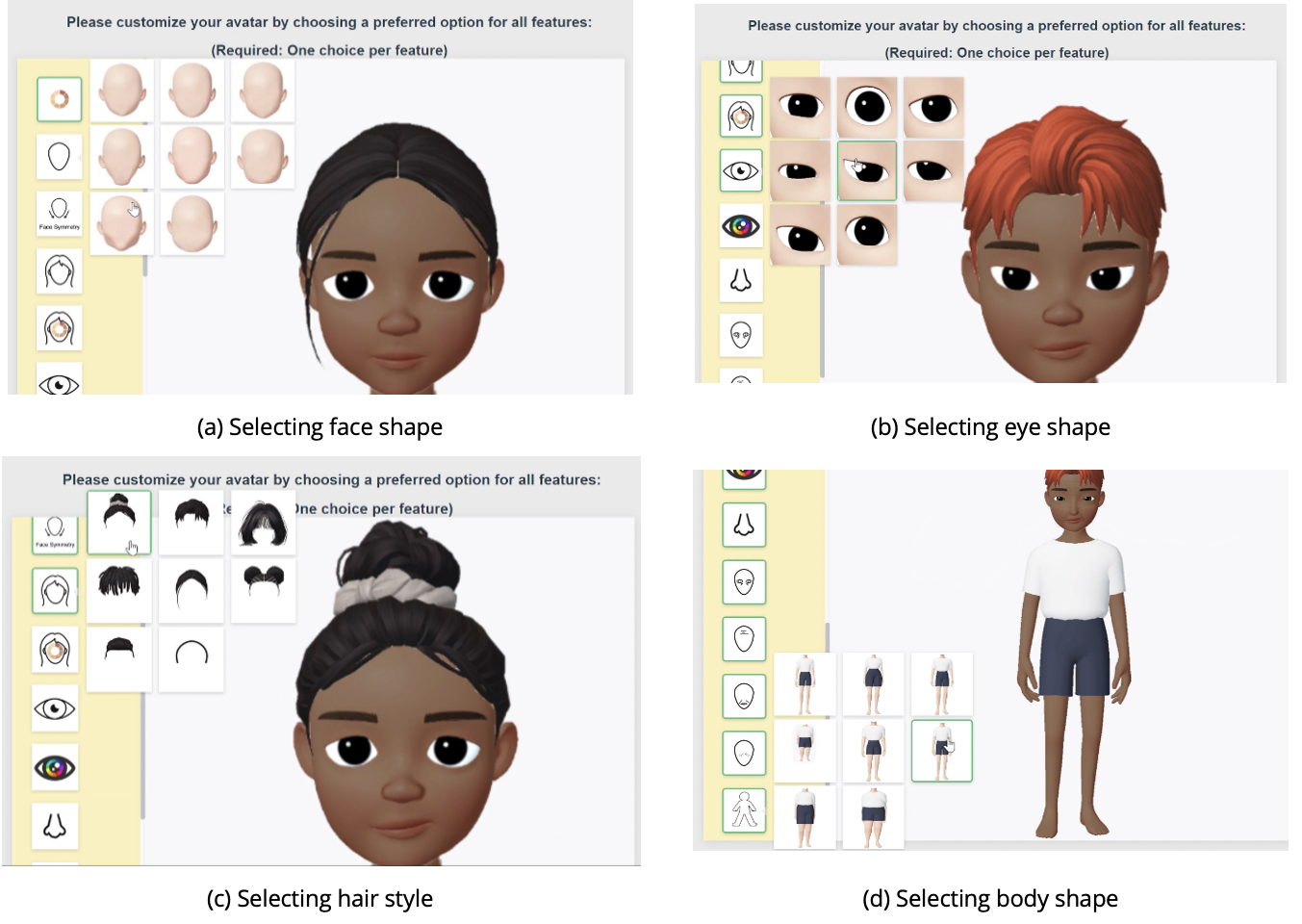
Note. Avatar features were sourced from Zepeto, a social networking platform by Naver Corporation (2022).
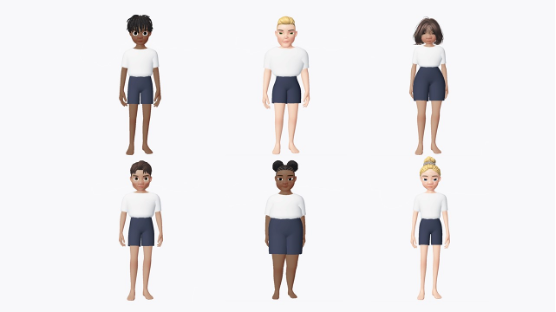
Next, participants were redirected back to Qualtrics, where they viewed in randomized order a series of 15 platforms comprising six avatars each against a white background. For each platform, participants first rated their likelihood of joining these platforms and then moved onto the next page to rate the attractiveness and diversity of the avatars presented. Of the 15 platforms, 13 included face-only and 2 included full-body avatars (Figures 2a and 2b). While most attractiveness research focuses on faces, including some full-body stimuli increases ecological validity by better reflecting real-world social perception. All avatars were produced using our avatar customization website, thereby varying along only the 13 physical features abovementioned. Each avatar appeared only once across all 15 platforms, such that a total of 90 different avatars were used. For each platform, three avatars were male-looking and three were female-looking. Clothing was standardized.
Following these, participants completed a set of questionnaires, including pro-diversity beliefs, enthusiasm about the metaverse, and demographics. They were finally directed to our avatar customization website again to create a second avatar that best resembled their actual selves with the instruction: Please create an avatar that looks closest to how you actually look. The entire procedure took about 10 minutes.
Figure 2a. Example of Platform With Face-Only Avatars.
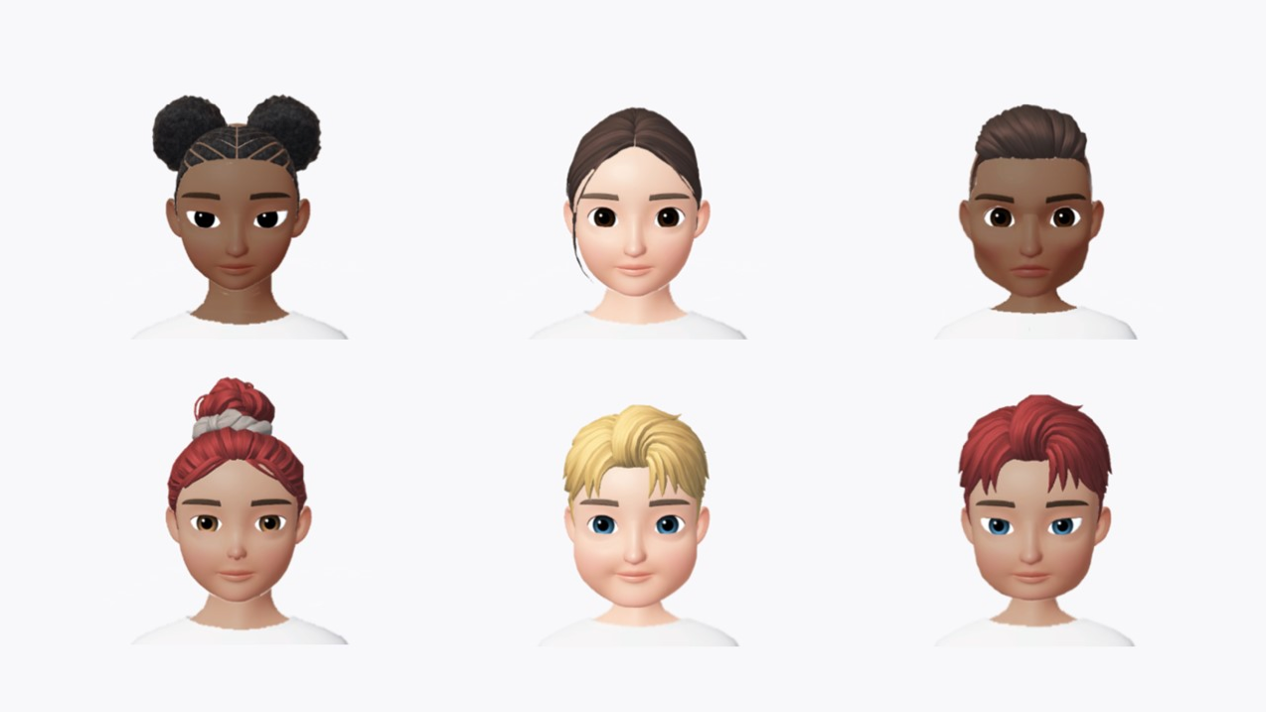
Figure 2b. Example of Platform With Full-Body Avatars.
Measures
Platform and Avatar Evaluations
Participants rated their likelihood of joining each platform on a 7-point Likert-type scale (1 = extremely unlikely, 7 = extremely likely). They then rated the degrees of perceived attractiveness and diversity of the avatars on these platforms on a 7-point Likert-type scale (1 = not at all attractive/diverse, 7 = extremely attractive/diverse). Avatar diversity was defined as the visible demographic characteristics or physical attributes that lead to perceptions of differences. Participants reported below moderate likelihood of joining the platforms overall, M = 3.58, SD = 1.62. Average ratings on the perceived attractiveness of the platform were M = 3.77, SD = 1.48, and perceived diversity M = 3.94,
SD = 1.74. Pearson’s correlation between the perceived attractiveness and diversity of platforms was low, r = .26, indicating that they measured distinct constructs.
Pro-Diversity Beliefs
Pro-diversity beliefs were assessed with four items adapted from the scale reported in Homan et al. (2010). Each item, such as I believe that diversity is good, was rated on a
7-point Likert-type scale (1 = strongly disagree, 7 = strongly agree). Scores were summed across the items to yield an overall score. Higher scores indicated greater pro-diversity beliefs. Mean pro-diversity beliefs were M = 23.09, SD = 4.69. The measure demonstrated good internal consistency for the sample, α = .89.
Enthusiasm About the Metaverse
Enthusiasm about the metaverse was measured using two items adapted from (Bonnefon et al., 2016). Respondents rated how excited they were about the metaverse and how likely they would participate in it on a 7-point Likert-type scale (1 = not at all excited/likely, 7 = extremely excited/likely). A third item (i.e., fear) was excluded earlier due to poor fit during our pilot study (not reported here). Scores were summed across the two items to yield a composite score. Higher scores reflected greater enthusiasm. Mean enthusiasm about the metaverse was M = 6.72, SD = 3.45. The measure demonstrated good internal consistency for the sample, α = .88.
Data Analysis
Because each participant rated 15 different platforms, the data was structured such that individual ratings were nested within the participants. The intraclass correlation coefficient (ICC) for likelihood of joining the platform was calculated using a null model to account for the non-independence of these observations and confirm the need for linear mixed modeling. The ICC was .43, indicating that 43.2% of the total variance was attributable to between-participant differences. Thus, we employed a linear mixed model that included a random intercept for participants to control for individual differences in baseline response styles. The linear mixed model was estimated using the Restricted Maximum Likelihood method to examine the effects of perceived attractiveness, perceived diversity, and their two-way interaction on likelihood of joining the platform. Age, gender, race, pro-diversity beliefs, and enthusiasm about the metaverse were entered as fixed-effect covariates. All data processing and analyses were performed using Microsoft Excel and IBM SPSS Statistics v26.
Results
Objective Diversity of Customized Avatar Features
Due to technical difficulties, only 124 participants’ data were analyzed. The entropy statistic, also known as the Shannon-Wiener Index, was used as an indicator to evaluate the corresponding objective diversity across the 13 features resulting from individual choices. The Shannon-Wiener Index is used to measure diversity within nominal variates by accounting for both the number of unique attributes and the relative balance of those groups within the population (Budescu & Budescu, 2012; Harrison & Klein, 2007; Shannon & Weaver, 1949; Summers et al., 2011; Teachman, 1980). It is calculated by
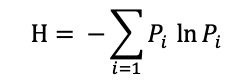
where H denotes the diversity index and Pi reflects the proportion of the sample that is made up of attribute level i. A higher H indicates greater diversity. A series of Hutcheson t-tests (Hutcheson, 1970) were conducted to assess any differences between the objective diversity of preferred avatar features and that of actual features (α = .05).
Table 1 summarizes the entropy statistics and corresponding Hutcheson t-test results across each of the avatar customization features. Data for hairstyle was not recorded due to technical error. Shannon-Wiener Indices for facial symmetry, eye wrinkles, and forehead wrinkles were significantly lower in preferred avatar features than in features resembling actual selves (facial symmetry: t = 2.03, p = .044, d = .26; eye wrinkles: t = 4.41, p < .001, d = .56; forehead wrinkles: t = 2.48, p = .014, d = .31). Closer inspection of the frequency distributions (Appendix A) suggests reduced diversity in avatar-mediated environments for these features in favor of more attractive features for the current sample (i.e., symmetrical, no wrinkles). There were no significant differences for all other features.
Table 1. Objective Diversity of Preferred Avatar Features vs. Actual Features (Study 1).
|
Featurea |
No. of Available Options |
Preferred Avatar Features |
Features Resembling Actual Selves |
t |
p-value |
Cohen’s d |
||
|
H |
Evenness |
H |
Evenness |
|||||
|
Facial symmetry |
3 |
0.62 |
.57 |
0.82 |
.75 |
2.03 |
.044 |
.26 |
|
Eye wrinkles |
5 |
1.13 |
.71 |
1.53 |
.95 |
4.41 |
< .001 |
.56 |
|
Forehead wrinkles |
5 |
1.10 |
.68 |
1.36 |
.84 |
2.48 |
.014 |
.31 |
|
Nasolabial folds |
5 |
1.15 |
.71 |
1.25 |
.78 |
1.11 |
.266 |
.14 |
|
Freckles |
5 |
1.25 |
.77 |
1.12 |
.69 |
1.31 |
.193 |
.17 |
|
Face shape |
8 |
1.77 |
.85 |
1.84 |
.88 |
0.72 |
.470 |
.09 |
|
Skin color |
4 |
0.73 |
.53 |
0.58 |
.42 |
1.31 |
.190 |
.17 |
|
Hair color |
8 |
1.84 |
.88 |
1.70 |
.82 |
1.41 |
.159 |
.18 |
|
Eye shape |
8 |
1.65 |
.80 |
1.68 |
.81 |
0.2 |
.840 |
.03 |
|
Eye color |
8 |
1.46 |
.70 |
1.54 |
.74 |
0.92 |
.360 |
.12 |
|
Nose shape |
8 |
1.51 |
.73 |
1.55 |
.75 |
0.45 |
.655 |
.06 |
|
Body shape |
8 |
1.74 |
.83 |
1.85 |
.89 |
1.28 |
.201 |
.16 |
|
Note. H = Shannon-Wiener Index. Evenness = Standardized H, based on total number of options used by the sample. Evenness ranges from 0 to 1, where 0 indicates no diversity and 1 indicates maximal diversity (equal frequencies across options of a feature). aData for hairstyle was not available for Study 1 due to unexpected technical problems on the website for data collection. |
||||||||
Effects of Perceived Avatar Attractiveness and Diversity
As shown in Table 2, the effects of perceived attractiveness, perceived diversity, and their two-way interaction on likelihood of joining the platform were significant (perceived attractiveness: b = 0.67, 95% CI [0.64, 0.70], p < .001; perceived diversity: b = 0.15, 95% CI [0.13, 0.18], p < .001; interaction: b = 0.05, 95% CI [0.03, 0.06], p < .001), after accounting for the covariates. Participants were more likely to join platforms that were perceived to be more attractive and diverse, supporting H1 and H2, respectively. Pro-diversity beliefs and enthusiasm about the metaverse were significant covariates (pro-diversity beliefs: b = 0.04, 95% CI [0.01, 0.06], p = .004; enthusiasm about the metaverse: b = 0.05, 95% CI [0.02, 0.08], p = .004), while age, gender, and race were not (all p > .05).
To probe the significant interaction between perceived attractiveness and diversity, we conducted a simple slopes analysis at high (+1 SD), mean, and low (−1 SD) levels of perceived diversity. Results indicated that the positive effect of perceived attractiveness on likelihood of joining the platform was significant across all levels of perceived diversity. The effect was strongest when perceived diversity was high, b = 0.75, SE = .02, 95% CI [.71, .79], p < .001, compared to when diversity was at the mean, b = 0.67,
SE = .02, 95% CI [.64, .70], p < .001, or low, b = 0.58, SE = .02, 95% CI [.54, .62], p < .001. These suggest that perceived diversity amplified the effect of perceived attractiveness on joining intentions, supporting H3. Figure 3 visualizes these findings.
Discussion
Most participants preferred avatars that were symmetrical and with little to no eye or forehead wrinkles, such that the objective diversity of these preferred avatar features was significantly diminished. This provides support for facial symmetry and lack of eye and forehead wrinkles being aesthetically-normative features. The positive effect of perceived avatar attractiveness on increased likelihood of joining a platform was strengthened when avatars were perceived to be more diverse.
One key limitation was that most of the sample identified with being White. Extant literature demonstrates how perceptions of attractiveness and diversity are differentially influenced by racial identifications. Compared to White and Asian women, Black women found White female models who meet mainstream beauty standards to be less attractive (Chin Evans & McConnell, 2003). Besides, White Americans felt more positive about instrumental diversity that was reflected by our measure of pro-diversity beliefs, whereas Black Americans favored morality-based diversity (Starck et al., 2021). Accordingly, only individuals who identified as non-White were eligible to be enrolled in study 2.
Table 2. Linear Mixed Model Results (Study 1).
|
Predictor |
Study 1 (N = 136) |
||||
|
b |
SE |
95% CI |
t |
p |
|
|
Fixed Effects |
|
|
|
|
|
|
(Intercept) |
3.09 |
.41 |
[2.28, 3.89] |
7.57 |
< .001 |
|
Age |
0.01 |
.01 |
[−0.01, 0.02] |
0.99 |
.324 |
|
Gender |
0.08 |
.11 |
[−0.14, 0.29] |
0.71 |
.481 |
|
Race |
−0.03 |
.08 |
[−0.17, 0.12] |
−0.34 |
.731 |
|
Pro-diversity beliefs |
0.04 |
.01 |
[0.01, 0.06] |
2.97 |
.004 |
|
Enthusiasm |
0.05 |
.02 |
[0.02, 0.08] |
2.91 |
.004 |
|
Perceived attractiveness |
0.67 |
.02 |
[0.64, 0.70] |
43.05 |
< .001 |
|
Perceived diversity |
0.15 |
.01 |
[0.13, 0.18] |
12.81 |
< .001 |
|
Perceived attractiveness x perceived diversity |
0.05 |
.01 |
[0.03, 0.06] |
6.77 |
< .001 |
|
Random Effects |
σ2 |
SE |
|
|
|
|
(Intercept) |
.36 |
.05 |
|
|
|
|
Residual |
.70 |
.02 |
|
|
|
|
Note. b = Unstandardized Beta Estimate; SE = Standard Error. Perceived attractiveness and perceived diversity were mean-centered prior to analyses.
|
|||||
Figure 3. Moderating Effect of Perceived Diversity (Study 1).
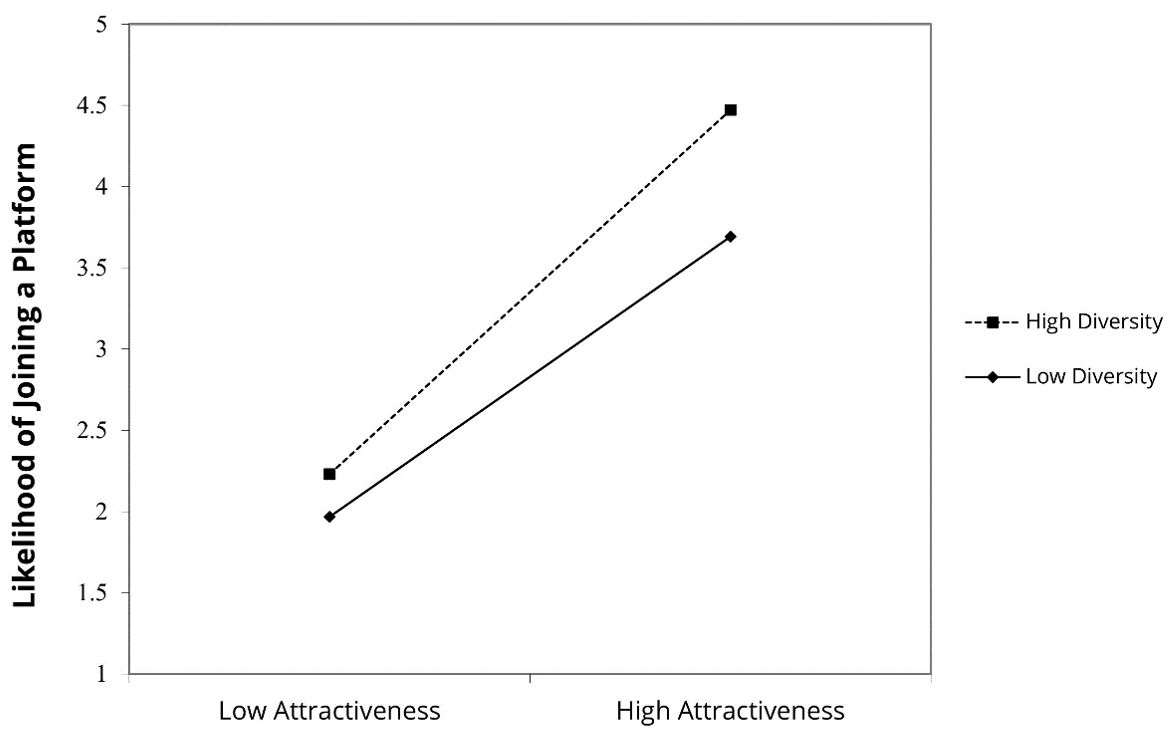
Note. High and low levels of each variable reflect 1 SD above and below the mean, respectively.
Study 2
Design, Participants, and Procedure
Individuals who identified as non-White were recruited. Study procedure, measures, and analyses used were the same as those implemented in Study 1. A total of 145 non-White participants were recruited. Seventeen were removed due to poor responses or discrepancies in self-reported and Prolific-based demographic information. Thus, 128 participants were analyzed. Participants ranged from 21 to 65 years of age (M = 35.2, SD = 10.2). The majority were Asian (N = 51, 39.8%), Black (N = 36, 28.1%), Mixed or Multiple (N = 29, 22.7%), or Other (N = 6, 4.7%). In terms of gender, 61 (47.7%) were males and 61 (47.7%) females. Six (4.7%) participants’ demographic information was missing.
Measures and Data Analysis
Data analytic processes were identical to Study 1. Participants reported below moderate likelihood of joining the platforms overall (M = 3.76, SD = 1.66). Average ratings on the perceived attractiveness of the platform were M = 3.92, SD = 1.50, and perceived diversity M = 3.99, SD = 1.74. Mean pro-diversity beliefs were M = 24.29, SD = 3.50, and mean enthusiasm about the metaverse was M = 7.91, SD = 3.45. Measures of pro-diversity beliefs and enthusiasm about the metaverse demonstrated good internal consistencies for the sample (pro-diversity beliefs: α = .87; enthusiasm: α = .91). The ICC for likelihood of joining the platform using a null model was .35, indicating that 35.5% of the total variance was attributable to between-participant differences and justifying linear mixed modeling.
Results
Objective Diversity of Customized Avatar Features
Due to technical difficulties, only 114 participants’ data were analyzed. Entropy statistics and Hutcheson t-test results are summarized in Table 3. Shannon-Wiener Indices for facial symmetry and face shape were significantly lower in preferred avatar features than in features resembling actual selves (facial symmetry: t = 2.58, p = .011, d = .34; face shape: t = 2.09, p = .038, d = .28), suggesting reduced diversity in avatar-mediated environments for these features for the current sample. Indices for hair color and eye color were significantly higher in preferred avatar features than in features resembling actual selves (hair color: t = 2.66, p = .008, d = .35; eye color: t = 3.42, p < .001, d = .45), reflecting greater diversity in avatar-mediated environments for these two features. Closer inspection of the frequency distributions (Appendix B) indicates that participants favored symmetrical faces and two particular face shapes, and that variations in hair color in actual selves are more limited than in preferred online self-representations. There were no significant differences for the remaining features.
Effects of Perceived Avatar Attractiveness and Diversity
Linear mixed modeling revealed that the effects of perceived attractiveness, perceived diversity, and their two-way interaction on likelihood of joining the platform were significant (perceived attractiveness: b = 0.65, 95% CI [.62, .69], p < .001; perceived diversity: b = 0.22, 95% CI [0.20, 0.25], p < .001; interaction: b = 0.04, 95% CI [0.02, 0.06], p < .001), after accounting for the covariates (Table 4). Participants were more likely to join platforms that were perceived to be more attractive and diverse, supporting H1 and H2, respectively. Enthusiasm about the metaverse was a significant covariate, b = 0.05, 95% CI [0.02, 0.08], p = .001, while age, gender, race, and pro-diversity beliefs were not (all p > .05).
To probe the significant interaction between perceived attractiveness and diversity, we conducted a simple slopes analysis at high (+1 SD), mean, and low (−1 SD) levels of perceived diversity. Results indicated that the positive effect of perceived attractiveness on likelihood of joining the platform was significant across all levels of perceived diversity. The effect was strongest when perceived diversity was high, b = 0.72, SE = .02, 95% CI [.68, .77], p < .001, compared to when diversity was at the mean, b = 0.65,
SE = .02, 95% CI [.62, .69], p < .001, or low, b = 0.58, SE = .02, 95% CI [.54, .63], p < .001. These suggest that perceived diversity amplified the effect of perceived attractiveness on joining intentions, supporting H3. Figure 4 visualizes these findings.
Table 3. Objective Diversity of Preferred Avatar Features vs. Actual Features (Study 2).
|
Feature |
No. of Available Options |
Preferred Avatar Features |
Features Resembling Actual Selves |
t |
p-value |
Cohen’s d |
||
|
H |
Evenness |
H |
Evenness |
|||||
|
Facial symmetry |
3 |
0.59 |
.54 |
0.86 |
.78 |
2.58 |
.011 |
.34 |
|
Eye wrinkles |
5 |
1.09 |
.67 |
1.25 |
.78 |
1.61 |
.108 |
.21 |
|
Forehead wrinkles |
5 |
0.99 |
.61 |
1.13 |
.70 |
1.08 |
.281 |
.14 |
|
Nasolabial folds |
5 |
0.99 |
.61 |
1.12 |
.70 |
1.29 |
.198 |
.17 |
|
Freckles |
5 |
1.24 |
.77 |
1.01 |
.62 |
1.87 |
.062 |
.25 |
|
Face shape |
8 |
1.60 |
.77 |
1.81 |
.87 |
2.09 |
.038 |
.28 |
|
Skin color |
4 |
1.24 |
.89 |
1.26 |
.91 |
0.29 |
.775 |
.04 |
|
Hairstyle |
8 |
1.87 |
.90 |
1.88 |
.91 |
0.21 |
.831 |
.03 |
|
Hair color |
8 |
1.42 |
.68 |
1.06 |
.59 |
2.66 |
.008 |
.35 |
|
Eye shape |
8 |
1.88 |
.90 |
1.84 |
.88 |
0.54 |
.588 |
.07 |
|
Eye color |
8 |
1.72 |
.83 |
1.30 |
.62 |
3.42 |
< .001 |
.45 |
|
Nose shape |
8 |
1.63 |
.79 |
1.75 |
.84 |
1.29 |
.197 |
.17 |
|
Body shape |
8 |
1.66 |
.85 |
1.74 |
.84 |
0.91 |
.362 |
.12 |
|
Note. H = Shannon-Wiener Index. Evenness = Standardized H, based on total number of options used by the sample. Evenness ranges from 0 to 1, where 0 indicates no diversity and 1 indicates maximal diversity (equal frequencies across options of a feature). |
||||||||
Table 4. Linear Mixed Model Results (Study 2).
|
Predictor |
Study 2 (N = 128) |
||||
|
b |
SE |
95% CI |
t |
p |
|
|
Fixed Effects |
|
|
|
|
|
|
(Intercept) |
3.72 |
.27 |
[3.19, 4.26] |
13.73 |
< .001 |
|
Age |
−0.00 |
.01 |
[−0.01, 0.01] |
−0.01 |
.993 |
|
Gender |
−0.19 |
.10 |
[−0.39, 0.01] |
−1.85 |
.068 |
|
Race |
−0.10 |
.05 |
[−0.20, 0.00] |
−1.97 |
.052 |
|
Pro-diversity beliefs |
−0.01 |
.02 |
[−0.04, 0.02] |
−0.45 |
.657 |
|
Enthusiasm |
0.05 |
.02 |
[0.02, 0.08] |
3.26 |
.001 |
|
Perceived attractiveness |
0.65 |
.02 |
[0.62, 0.69] |
36.96 |
< .001 |
|
Perceived diversity |
0.22 |
.01 |
[0.20, 0.25] |
16.11 |
< .001 |
|
Perceived attractiveness x perceived diversity |
0.04 |
.01 |
[0.02, 0.06] |
5.12 |
< .001 |
|
Random Effects |
σ2 |
SE |
|
|
|
|
(Intercept) |
.23 |
.04 |
|
|
|
|
Residual |
.82 |
.03 |
|
|
|
|
Note. b = Unstandardized Beta Estimate; SE = Standard Error. Perceived attractiveness and perceived diversity were mean-centered prior to analyses.
|
|||||
Discussion
Similar to Study 1, perceived avatar attractiveness increased users’ likelihood of joining platforms, and this effect was strengthened with perceived avatar diversity. The objective diversity of facial symmetry and face shape in preferred avatars were significantly reduced, reflecting facial symmetry and face shape to be aesthetically-normative, and the objective diversity in terms of hair and eye color were significantly improved, reflecting hair and eye color to be aesthetically-expressive.
Figure 4. Moderating Effect of Perceived Diversity (Study 2).
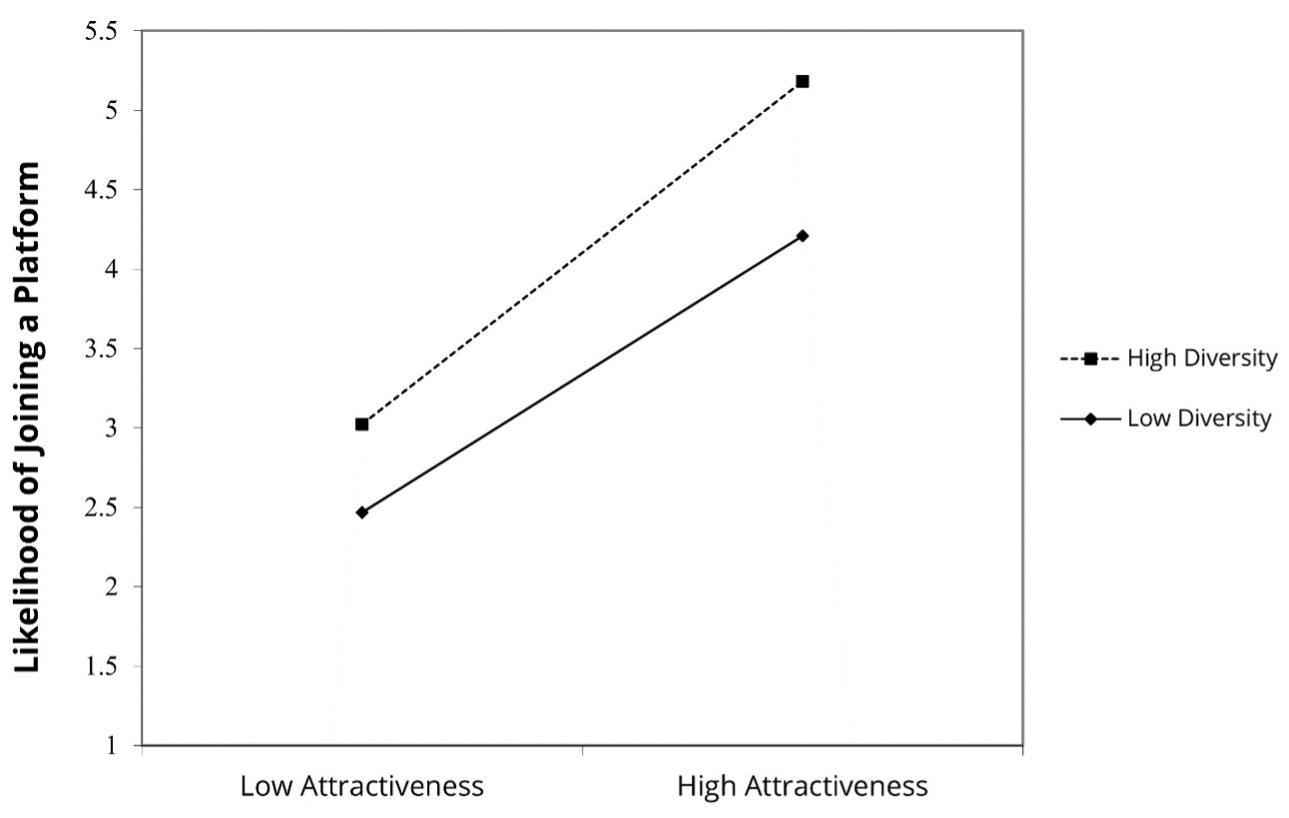
Note. High and low levels of each variable reflect 1 SD above and below the mean, respectively.
General Discussion
This research first questioned which avatar features that users are attracted to increase or decrease their objective diversity in avatar-mediated environments. Through two studies, we demonstrate how attractive avatar features impact their objective diversity. Results revealed two distinct types of avatar features and their differing objective diversity patterns that were sample dependent: aesthetically-normative features (i.e., facial symmetry, wrinkles), which aligned with widely accepted attractiveness norms, tended to reduce objective diversity in avatar representations; and aesthetically-expressive features (i.e., hair color, eye color), which allowed users to creatively enhance their avatars beyond real-world manifestations, contributed to increased objective diversity. We found that, among White users, the diversity of facial symmetry, eye wrinkles, and forehead wrinkles were lower in avatars compared to those of actual selves. Among non-White users, the diversity of facial symmetry and face shape were lower, and the diversity of hair color and eye color were greater than those of the actual selves.
Our two studies with racial majority vs. minority members imply differences in what constitute normatively attractive features. These disparities could be attributed to how Asians prefer oval face shapes with pointy, round chins (Samizadeh & Wu, 2020), as well as how Whites age more rapidly than Asians and Blacks (Campiche et al., 2019; Nouveau-Richard et al., 2005), thus observing greater diversity of wrinkles in actual selves. The variable results for different features reveal nuances implicating attractiveness and diversity at the avatar attribute level. Even as we originally considered shapes and color as aesthetically-expressive features, study 2 suggests that face shapes could be considered aesthetically-normative among minorities. Our classification involving aesthetically-normative and aesthetically-expressive features will be expedient as sample demographics vary and beauty standards evolve over time and space.
Results provided preliminary indications that, among racial minorities, hair and eye color could become more diverse online. Frequency distributions show that 87.7% of minorities in study 2 have black or dark brown hair and 78.9% have black or dark brown irises, but the corresponding proportions dropped to 71.9% for hair color and 57.1% for eye color in their customized avatars. This shift suggests that avatar-mediated environments serve as spaces where the biological constraints of physical traits are decoupled from identity signaling. Based on the hyperpersonal model (Walther, 1996; Walther & Whitty, 2021), the alterations are not random. Rather, users exploit the platform’s avatar customization affordances to self-enhance at the attribute level. By preserving core elements and altering peripheral ones, such as hair color (Messinger et al., 2019), users selectively optimize and render themselves more desirable in avatar-mediated environments. The resulting social validation through positive feedback encourages users to better identify with the avatar’s persona, leading to behavioral shifts online and offline predicted by the Proteus effect (Yee et al., 2009).
The differential findings in attractive features undergird a need to approach avatar diversity of online self-representations at such an attribute level. Crucially, our attribute-level approach responds to calls from diversity scholars to adopt an intersectional perspective, which critiques the use of demographic classifications (e.g., race and gender) and underscores the multidimensional nature of identities and self-representations (Ramasubramanian & Banjo, 2020; Riles et al., 2022). By assessing participant responses toward various avatar features (e.g., skin color), we suspend the conventional presumption that certain attributes (e.g., fair skin) are necessarily White or female, to name a few demographic classifications. Hypothetically, our attribute-level and diversity measurement approach could be extended to future work involving non-human avatars (e.g., number of legs). Future work could also explore avatar customization with attributes evolving along a continuous spectrum.
We did not find diversity reductions in expected aesthetically-normative features like nasolabial folds. Beyond considerations for sample size, the absence of findings on nasolabial folds could be due to greater weight given to the top-half or eye region than to the bottom-half in evaluations of facial attractiveness (Pazhoohi & Kingstone, 2022). The absence of significant differences in the remaining customizable features (e.g., nose shape) indicates that not all features are necessarily aesthetically-normative or -expressive relative to the samples.
Importantly, we hypothesized that individuals are more likely to join platforms featuring more attractive avatars (H1) and greater avatar diversity (H2). Furthermore, we predicted a moderation effect, where the effect of attractive avatars on individuals’ likelihood of joining platforms is stronger when avatars are perceived as more diverse (H3). Across both studies and regardless of the sample demographic, perceived avatar attractiveness and diversity worked independently and synergistically to drive platform adoption. Specifically, while both factors increased joining intentions, the presence of a diverse avatar set enhanced the positive effect of attractiveness. These findings extend existing research demonstrating the positive impact of attractive avatars on online behavior, such as receiving help (Waddell & Ivory, 2015). Critically, results revealed that avatar diversity also drove the likelihood of joining platforms. Since avatar diversity perceptions are shaped by the avatars’ heterogeneity, the actual human diversity the avatars represent, and diversity concerns (Lin et al., 2025), future research should disentangle which of these factors most strongly triggers the synergistic effect. Our findings suggest that diversity yields benefit through the quick appreciation of visual complexity (or heterogeneity), hinting at a multilayered perceptual process that warrants investigation.
Theoretical Implications
This exploratory study offers several theoretical contributions. First, supporting the integration of the hyperpersonal model (Walther, 1996) and aesthetic appreciation theory (Reber et al., 2004), our study findings indicate that attractive and diverse groups of avatars synergistically increase users’ likelihood of joining platforms. In doing so, we offer an integrative model that situates avatar attractiveness at the center. Perceived diversity of avatars likely balances processing fluency and stimulating novelty to enhance the effect of attractive avatars on engagement. Future research should test the mediating effects of processing fluency and novelty, respectively, and on other behavioral indicators of engagement in avatar-mediated environments.
Second, most studies implicating avatar attractiveness or diversity examine these variables at the individual level. The current synergistic effect between avatar attractiveness and diversity applies particularly to perceptions of groups of avatars. Since group-level phenomena are thought to be psychologically unique and cannot be assumed by the induction of individual-level ones (Alt & Phillips, 2022; Phillips et al., 2018), our study contributes to the dearth of literature on group-level phenomena. In this way, we also open an avenue for further theoretical development: future research can investigate whether the same synergistic effect applies in the context of individual avatars and ascertain whether the group-level effect here can be induced from individual-level ones.
Third, data from the present avatar customization website suggest that attractive features could influence greater or reduced objective diversity online relative to physical reality. While the principle holds that avatars are best rendered attractive and diverse to promote engagement, a boundary condition exists where avatar diversity is constrained by aesthetically-normative features, such as facial symmetry and wrinkles.
Our study examines perceived and objective diversity concurrently and reveals a critical tension between the two. Specifically, we analyze how perceived avatar diversity influences a user's decision to join, while also assessing how their choices of attractive avatar features impact objective diversity. Even as users are drawn to more diverse avatar-mediated environments, the customizable features they choose for their own avatars systematically shape and even limit the objective diversity of the entire user base. This creates a socio-technical feedback loop, where individual user interaction with platform design features, aggregated at the system level, can inadvertently compromise diversity, undermining the very diversity that attracts users in the first place.
Practical and Ethical Implications
Avatar customization is increasingly prevalent in user profiles and even brand engagement across various online and mobile applications. Our findings suggest that users prioritize some attractive features in avatars, even at the cost of diversity. Moreover, perceivably nondiverse and less conventionally attractive avatars have the least favorable impact on user’s likelihood of joining platforms. Should technological companies design “beautifully diverse” avatar-mediated environments to satisfy consumer preferences? Designing avatars and customization tools that sustain such a beautifully diverse virtual environment has an adverse implication on conventionally underrepresented groups, such as the elderly and persons with disabilities, who have been perceived as less attractive (Löckenhoff et al., 2009; Reinhardt et al., 2011). Discrimination based on physical appearances does not bear legal consequences and is severely underserved (Monk et al., 2021). Given that diversity exposure reduces bias and encourages prosocial behavior (Allan et al., 2014; Nai et al., 2018), designers and policymakers need ethical guidelines to address the social implications of using attractive and diverse avatars to boost engagement.
Limitations and Future Directions
A limitation of our study is that it is correlational in nature. Therefore, even as diversity moderated the effect of attractiveness on platform engagement, it is possible that the latter relationship influenced diversity ratings. Moreover, both constructs have been defined and operationalized with much nuance along disparate lines of research. For instance, attractiveness could be conceived alternatively as the desire to belong. Still, van Osch et al. (2015) demonstrates that individuals judge attractiveness largely based on physical appearance when presented with faces. Future experimental work is essential to clarify how alternative operationalizations of avatar attractiveness or diversity influence online user behavior and other pertinent outcomes. In addition, our study participants encounter avatars only once. Further work involving longer exposure periods to avatars is necessary to illuminate how perceivably attractive and diverse avatars interact with downstream social-psychological processes to alter outcomes.
While we have shown how racial backgrounds influence aesthetic preferences, conducting the study in English and through the Prolific platform and relying on relatively small sub-samples after exclusions could still limit its cultural diversity and generalizability. Moreover, users can represent themselves online apart from humanlike avatars, including non-human avatars, filtered photographs, and figures generated by AI. Our current approach also focuses on facial diversity and is limited in modeling diverse body types. The latter has been limited by the lack of finer details, such as breasts and plus size clothing. Thus, a critical consideration in interpreting the results is the viable range and granularity of the avatar customization features provided. The degree of difference between a participant’s preferred and actual avatar is inherently constrained by the options offered. For example, if the available body shapes failed to capture the participants’ actual physique, they may have selected the same feature for both avatars, leading to a lack of evidence for differences between the preferred and actual diversity of body shapes. Future studies should utilize customization tools via morphable sliders rather than the categorical approach to ensure that the range of options does not artificially constrain the data. While an exhaustive investigation of all alternatives is beyond the current scope of this study, replication studies involving other avatar customization technologies and diverse body types should be implemented.
Conflict of Interest
The authors have no conflicts of interest to declare.
Use of AI Services
The authors declare they have used AI services for minor style refinements. They carefully reviewed all suggestions from these services to ensure the original meaning and factual accuracy were preserved.
Data Availability Statement
Data are available from the authors upon reasonable request.
Acknowledgement
The authors would like to thank all participants who contributed their data.
Funding
This work was partially supported by research funding from the Interdisciplinary Graduate Programme at Nanyang Technological University awarded to the first author.
Appendices
Appendix A
Table A1. Frequency Distributions for Facial Symmetry.
|
Preferred avatar features |
Features resembling actual selves |
|||
|
Frequency |
% |
Frequency |
% |
|
|
Normal |
100 |
80.6 |
85 |
68.5 |
|
Vertical |
13 |
10.5 |
26 |
21.0 |
|
Horizontal |
11 |
8.9 |
13 |
10.5 |
|
Total |
124 |
100.0 |
124 |
100.0 |
Table A2. Frequency Distributions for Eye Wrinkles.
|
|
Preferred avatar features |
Features resembling actual selves |
||
|
Frequency |
% |
Frequency |
% |
|
 |
76 |
61.3 |
44 |
35.5 |
|
|
23 |
18.5 |
26 |
21.0 |
|
|
5 |
4.0 |
15 |
12.1 |
|
|
14 |
11.3 |
23 |
18.5 |
|
|
6 |
4.8 |
16 |
12.9 |
|
Total |
124 |
100.0 |
124 |
100.0 |




Table A3. Frequency Distributions for Forehead Wrinkles.
|
Preferred avatar features |
Features resembling actual selves |
|||
|
Frequency |
% |
Frequency |
% |
|
 |
79 |
63.7 |
61 |
49.2 |
|
|
9 |
7.3 |
17 |
13.7 |
|
|
22 |
17.7 |
25 |
20.2 |
|
|
10 |
8.1 |
13 |
10.5 |
|
|
4 |
3.2 |
8 |
6.5 |
|
Total |
124 |
100.0 |
124 |
100.0 |




Appendix B
Study 2
Table B1. Frequency Distributions for Facial Symmetry.
|
|
Preferred avatar features |
Features resembling actual selves |
||
|
Frequency |
% |
Frequency |
% |
|
|
Normal |
93 |
81.6 |
77 |
67.5 |
|
Vertical |
14 |
12.3 |
19 |
16.7 |
|
Horizontal |
7 |
6.1 |
18 |
15.8 |
|
Total |
114 |
100.0 |
114 |
100.0 |
Table B2. Frequency Distributions for Face Shape.
|
|
Preferred avatar features |
Features resembling actual selves |
||
|
Frequency |
% |
Frequency |
% |
|
 |
34 |
29.8 |
24 |
21.1 |
 |
4 |
3.5 |
3 |
2.6 |
 |
43 |
37.7 |
32 |
28.1 |
 |
12 |
10.5 |
14 |
12.3 |
 |
4 |
3.5 |
8 |
7.0 |
 |
1 |
0.9 |
2 |
1.8 |
 |
11 |
9.6 |
22 |
19.3 |
 |
5 |
4.4 |
9 |
7.9 |
|
Total |
114 |
100.0 |
114 |
100.0 |
Table B3. Frequency Distributions for Hair Color.
|
|
Preferred avatar features |
Features resembling actual selves |
||
|
Frequency |
% |
Frequency |
% |
|
 |
65 |
57.0 |
71 |
62.3 |
 |
17 |
14.9 |
29 |
25.4 |
 |
6 |
5.3 |
4 |
3.5 |
 |
9 |
7.9 |
4 |
3.5 |
 |
4 |
3.5 |
|
|
 |
9 |
7.9 |
5 |
4.4 |
 |
2 |
1.8 |
|
|
 |
2 |
1.8 |
1 |
0.9 |
|
Total |
114 |
100.0 |
114 |
100.0 |
Table B4. Frequency Distributions for Eye Color.
|
|
Preferred avatar features |
Features resembling actual selves |
||
|
Frequency |
% |
Frequency |
% |
|
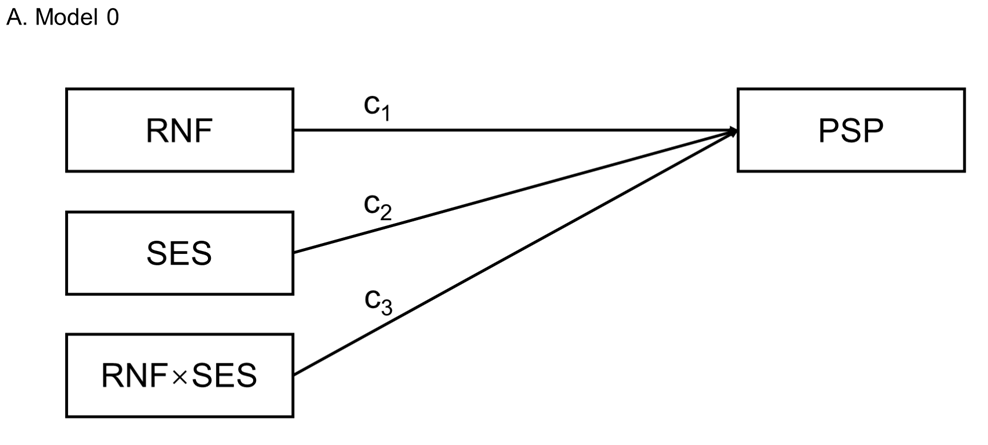 |
19 |
16.7 |
26 |
22.8 |
 |
46 |
40.4 |
64 |
56.1 |
 |
17 |
14.9 |
11 |
9.6 |
 |
12 |
10.5 |
5 |
4.4 |
 |
8 |
7.0 |
1 |
0.9 |
 |
5 |
4.4 |
2 |
1.8 |
 |
5 |
4.4 |
4 |
3.5 |
 |
2 |
1.8 |
1 |
0.9 |
|
Total |
114 |
100.0 |
114 |
100.0 |


This work is licensed under a Creative Commons Attribution-ShareAlike 4.0 International License.
Copyright © 2026 Xiangting Bernice Lin, Lin Qiu, Chen Lou, Ruoxi Fan